
Germany’s Vorabpauschale: The Preliminary Lump-Sum Tax on Investment Funds
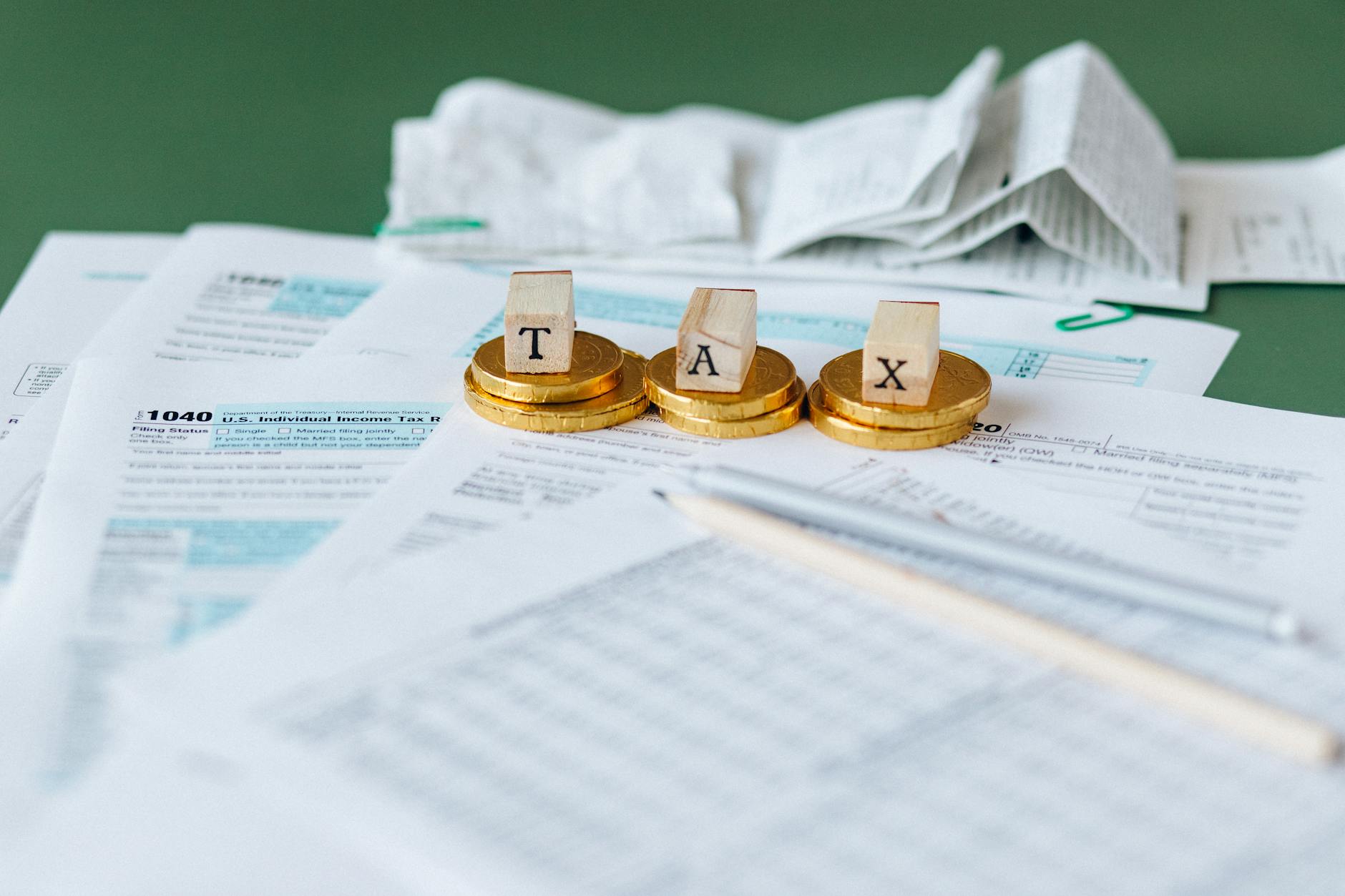
Berlin, 16 January 2026 – Germany’s Vorabpauschale, or preliminary lump-sum tax, is an annual tax mechanism introduced in 2018 to ensure investors in investment funds, particularly accumulating ETFs, pay taxes on fictitious income even without distributions or sales. This tax applies to German tax residents and aims to prevent tax deferral on unrealised gains.
What is the Vorabpauschale?
The Vorabpauschale is a fictitious taxable income calculated for holders of investment funds at the end of each year. It targets accumulating funds that reinvest earnings rather than distribute them, ensuring a minimum annual taxation. The tax is based on the fund’s value at the start of the year, multiplied by 70 per cent of the base interest rate set by the German Ministry of Finance. For 2025, this base rate is 2.53 per cent, announced in January 2025.
The process triggers in the second half of January 2026 for positions held on 31 December 2025. Banks and providers automatically deduct the tax, often via sell-to-cover orders, selling a portion of the fund to cover the amount plus a 10 per cent buffer. Non-German residents are exempt, as German taxes do not apply to them.
The tax rate is 25 per cent capital gains tax, plus 5.5 per cent solidarity surcharge, and potentially 8-9 per cent church tax, totalling around 26.375 per cent without church tax. Partial exemptions apply: 30 per cent for equity funds, 15 per cent for mixed funds, and 60-80 per cent for real estate funds, reducing the taxable amount.
Key Facts and Calculations
| Aspect | Details |
|---|---|
| Base Interest Rate for 2025 | 2.53% |
| Calculation Factor | 70% of base rate (1.771% for 2025) |
| Tax Rate | 25% + 5.5% solidarity surcharge + church tax (if applicable) |
| Partial Exemptions | Equity funds: 30%; Mixed funds: 15%; Real estate funds: 60-80% |
| Trigger Date for 2025 Tax | Second half of January 2026 |
| Eligibility | German tax residents with open positions in eligible funds on 31 December 2025 |
Frequently Asked Questions
What funds are affected by the Vorabpauschale?
Primarily accumulating investment funds and ETFs that do not distribute income. Distributing funds may avoid it if distributions exceed the calculated base yield. Both domestic and foreign funds qualify if held by German residents.
How is the Vorabpauschale calculated?
The base yield is the fund’s value on 1 January multiplied by 70 per cent of the base interest rate. This is compared to the actual value increase (end-of-year value minus start-of-year value plus distributions). The lower amount is taxed, ensuring no tax on losses.
Is the Vorabpauschale a final tax or a prepayment?
It is a prepayment. When selling the fund, previously taxed Vorabpauschale amounts are deducted from capital gains to avoid double taxation. If gains are lower, it increases the loss for offsetting.
Can investors avoid the Vorabpauschale?
Strategies include using the €1,000 (€2,000 for couples) tax-free allowance, investing in distributing funds, or holding funds in pensions for tax-deferred growth. However, accumulating funds remain popular for compounding.
What happens if funds are insufficient to cover the tax?
Providers sell assets to cover it. If unsuccessful, the tax authority is notified, and investors may face late payment penalties.