
Oberstdorf: Bavaria’s Alpine Gem Thrives in Winter 2026
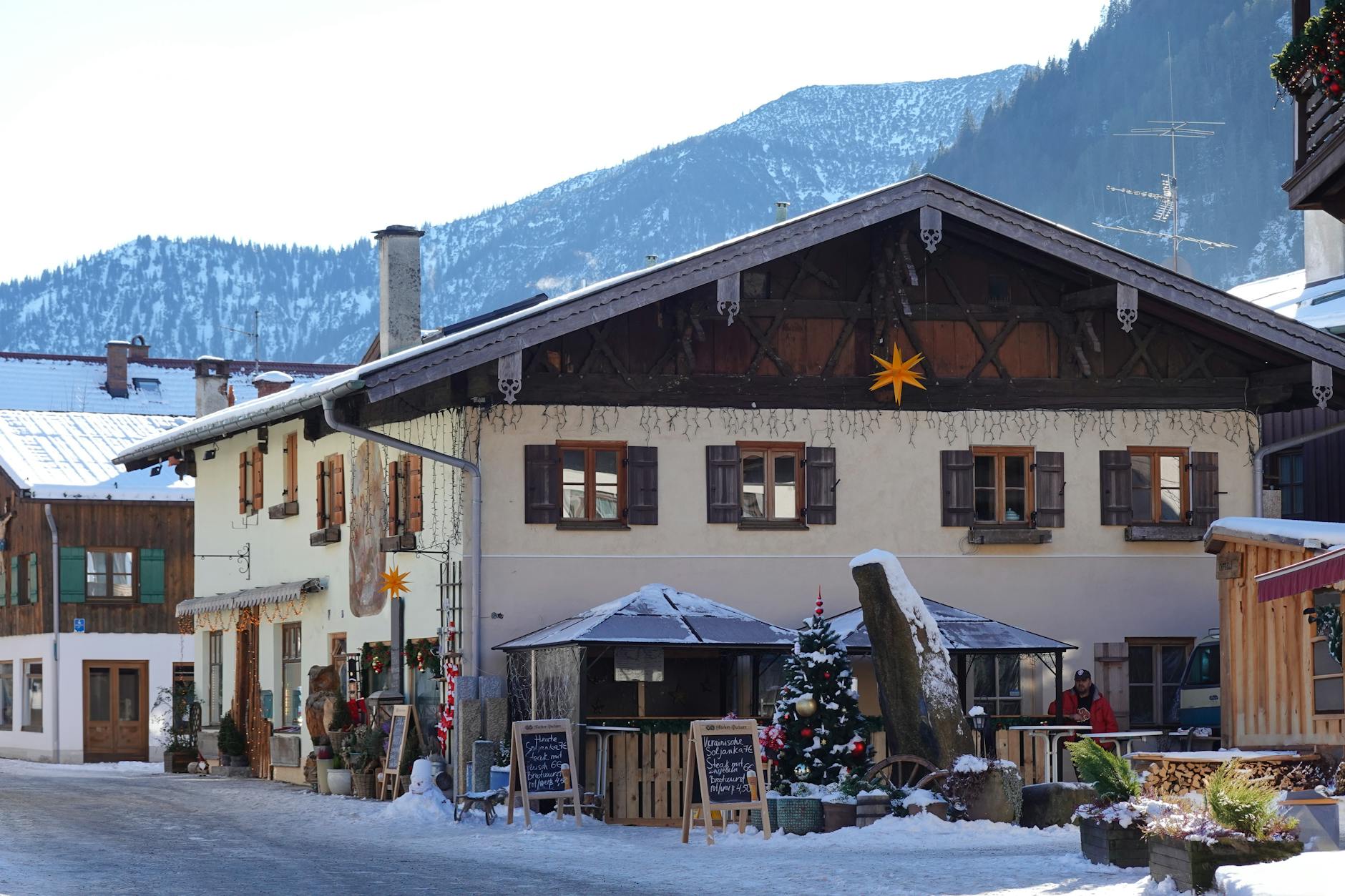
OBERSTDORF, 24 January 2026 – Nestled in the heart of the Allgäu Alps, Oberstdorf, Germany’s southernmost municipality, is experiencing a vibrant winter season. With fresh snowfall gracing its slopes and a comprehensive tourism strategy guiding its development, this Bavarian town continues to solidify its reputation as a premier destination for alpine sports, winter hiking, and sustainable tourism.
Current Winter Conditions
As of late January 2026, Oberstdorf’s ski areas report favourable conditions following recent snowfall. The Nebelhorn, Fellhorn/Kanzelwand, and Söllereck areas are operational, offering skiers and snowboarders access to well-maintained pistes. Weather forecasts indicate continued cold temperatures with potential for additional snow, maintaining the quality of both on-piste and off-piste terrain throughout the core winter period.
Winter Activities & Key Attractions
Beyond its renowned ski slopes, Oberstdorf provides a diverse array of winter experiences. The town maintains over 140 kilometres of cleared winter hiking trails, allowing visitors to explore snow-covered landscapes at a gentler pace. Notable natural attractions like the Breitachklamm gorge offer spectacular frozen formations, while the Christlessee lake maintains its unique characteristic of never freezing. For those seeking relaxation, the Oberstdorf Vital Therme spa complex provides alpine-style wellness facilities.
Tourism Strategy & Sustainable Development
Underpinning Oberstdorf’s appeal is its forward-looking “Tourismus Oberstdorf 2030” strategy. This plan emphasises sustainable development, visitor management, and the protection of the unique alpine environment. The strategy is built on three core competencies: Alpine Wellbeing (Erlebnis & Genuss), Movement and Sports Competence in Germany (Sport & Bewegung), and Sustainable Mountain Region (Bergnatur & Lebensraum). The destination has also recently refreshed its brand identity with the slogan “Das Hochgefühl der Alpen” (The High Feeling of the Alps), aiming to connect with a younger, active audience while honouring local traditions.
Key Facts & Statistics
| Category | Details |
|---|---|
| Altitude | 813 metres (town centre) |
| Notable Peaks | Nebelhorn (2,224 m), Fellhorn (2,038 m), Großer Krottenkopf (2,656 m) |
| Winter Hiking Trails | 140+ km of cleared paths |
| Ski Slopes (Alpine) | Approximately 130 km across multiple areas |
| Cross-Country Skiing | 71 km of prepared trails |
| Annual Overnight Stays | Over 2.5 million (pre-2024 data) |
| Major Sporting Event | Candidate for FIS Nordic World Ski Championships 2031 |
Future Vision & Major Events
Oberstdorf has officially bid to host the FIS Nordic World Ski Championships in 2031, building on its successful history with the event in 1987, 2005, and 2021. The bid emphasises the use of existing, recently modernised venues, a commitment to 100% regional energy sources, and smart mobility concepts, positioning it as a potential benchmark for sustainable major sporting events. The town remains a regular host for top-level competitions, including stages of the Four Hills Tournament in ski jumping and the Tour de Ski in cross-country skiing.
Frequently Asked Questions
What is Oberstdorf best known for?
Oberstdorf is renowned as a leading winter sports destination in Germany, famous for its ski jumping (hosting part of the Four Hills Tournament), extensive alpine and cross-country skiing terrain, and as a venue for international Nordic skiing competitions. It is also celebrated for its stunning alpine scenery and over 200 km of summer hiking trails.
How do I get to Oberstdorf?
Oberstdorf is accessible by regional train from major Bavarian cities like Munich (approximately 2.5 hours) and Nuremberg (approximately 3 hours). The train station is centrally located, providing easy access to accommodation and attractions. The town is also connected by road, though visitors are encouraged to use public transport where possible due to ongoing traffic management initiatives.
What is there to do in Oberstdorf besides skiing?
The destination offers a wide range of winter activities, including extensive winter hiking on signposted trails, visiting natural wonders like the Breitachklamm gorge, relaxing at the thermal spa, exploring cultural sites like Villa Jauss art museum and the Heimatmuseum, and enjoying traditional Allgäu cuisine in local restaurants and mountain huts.
What is Oberstdorf’s approach to tourism and sustainability?
Tourismus Oberstdorf has transitioned from a marketing organisation to a Destination Management Organisation (DMO). Its 2030 strategy prioritises sustainable development, environmental protection, visitor management, and enhancing guest mobility. The goal is to balance the economic benefits of tourism with the responsibility of preserving the natural landscape and local community’s quality of life for future generations.