The Resilience of Arminia Bielefeld: From the Alm to the National Stage
BIELEFELD, 08 February 2026 — In the landscape of German football, few clubs embody the “yo-yo” spirit of resilience quite like Deutscher Sportclub (DSC) Arminia Bielefeld. Founded in 1905, the club has spent over 120 years navigating the highs of Bundesliga titles and the lows of regional competition. Today, as the club continues its journey following a successful 2025 campaign, it remains a cornerstone of East Westphalian identity, anchored by its historic home, the SchücoArena.
A Century at the “Alm”
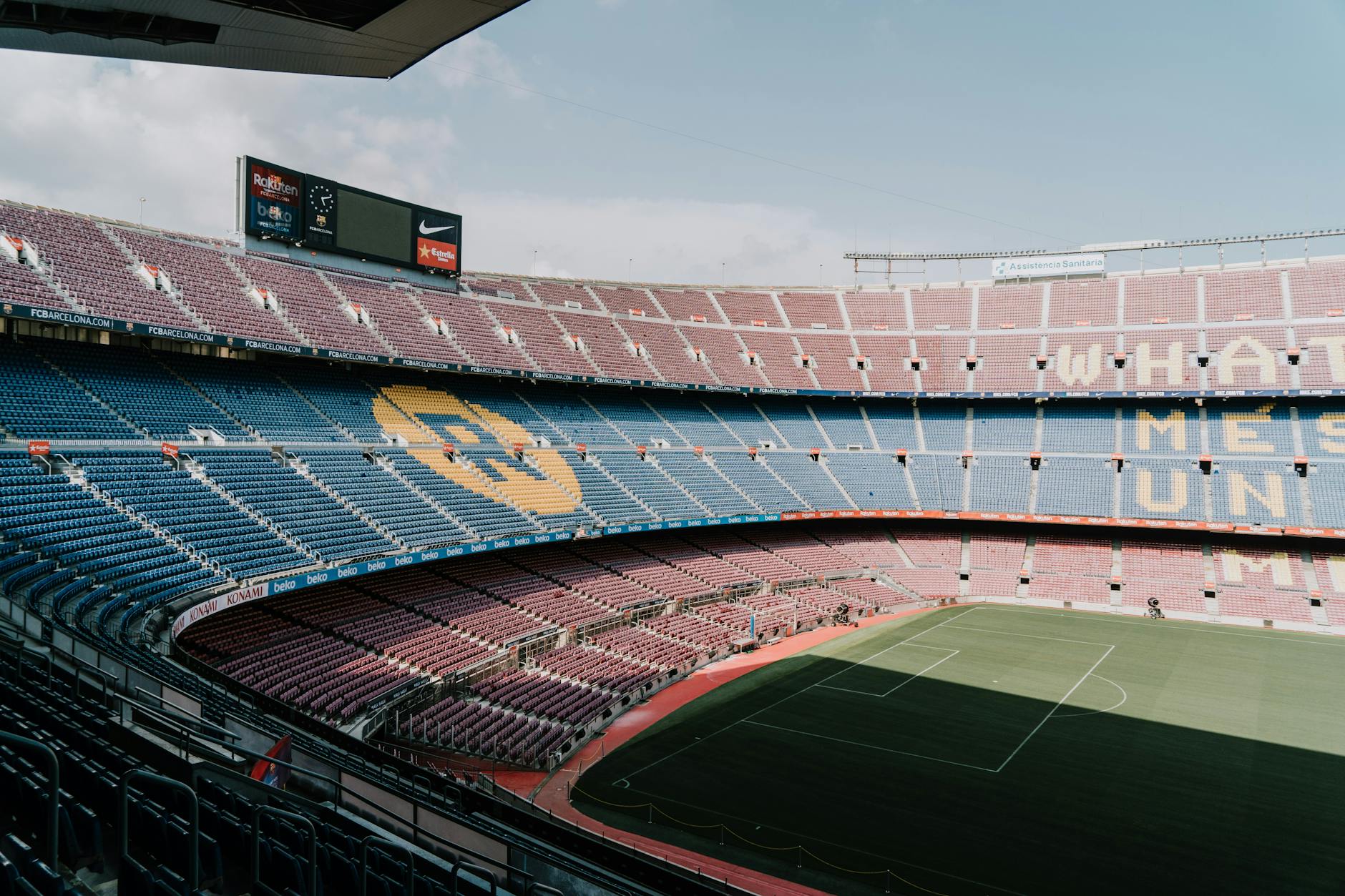
Since 1926, Arminia Bielefeld has played its home matches at the Bielefelder Alm, now known commercially as the SchücoArena. The stadium’s nickname, “Alm” (meaning mountain pasture), reflects its humble beginnings, though today it is a modern, fully enclosed bowl. Following major renovations completed in 2008, the stadium boasts a capacity of 27,332, providing one of the most intimate and intimidating atmospheres in German football.
Stadium Specifications
| Feature | Details |
|---|---|
| Current Capacity | 27,332 |
| Seating | 19,392 |
| Terracing (Standing) | 7,940 |
| Field Dimensions | 105m x 68m |
| Surface | Natural Grass (with undersoil heating) |
Recent Success and the 2025 Campaign
Arminia Bielefeld’s recent history has been defined by a rapid ascent through the divisions. After being crowned 2. Bundesliga champions in the 2019/20 season, the club has continued to add to its trophy cabinet. Most notably, the club secured the 3. Liga championship in 2025, marking their second title in that division (following their 2020 success). This achievement reinforced the club’s status as a dominant force when rebuilding, bringing their total tally to four 2. Bundesliga titles (1978, 1980, 1999, 2020).
The “Football Fever” Study
The emotional connection between the club and its supporters was recently the subject of scientific scrutiny. A smartwatch-based study released last week analysed the physiological impact of the 2025 DFB-Pokal (German Cup) final on Arminia fans. The data revealed that the mean stress level of Bielefeld supporters was 41% higher on the day of the final compared to a standard day. Even after a narrow loss to VfB Stuttgart, stress levels remained elevated, proving that for the 12,000 club members, Arminia is more than just a weekend hobby.
Transfer Market and Player News
The winter transfer window, which closed earlier this month, has seen significant movement involving former Arminia stars. Stefan Ortega Moreno, the German goalkeeper who joined Manchester City from Bielefeld in 2022, made headlines seven days ago (01 February 2026) by joining Nottingham Forest. The move followed a season-ending injury to Forest’s regular keeper, Victor.
Within the current squad, defender Maximilian Großer remains a key figure for the club’s defensive stability as they navigate the latter half of the 2025-2026 season. The club continues to focus on its multi-sport roots, maintaining departments for field hockey, figure skating, and cue sports alongside its primary football operations.
Frequently Asked Questions
How many times has Arminia Bielefeld been in the Bundesliga?
Arminia Bielefeld has spent a total of 19 years in the top-flight Bundesliga. Their historical stints include 1970–1972, 1978/79, and 1980–1985, among others.
What are the club colours of DSC Arminia Bielefeld?
The official club colours are black, white, and blue. These colours are prominently featured in the club’s crest and home kits.
Why is the stadium called the “Alm”?
The name “Alm” translates to “mountain pasture.” It was reportedly coined in the 1920s because the site was so underdeveloped at the time that a member remarked it looked like a pasture for cattle.
Where will the German Cup final be held in the future?
While Arminia fans recently travelled for the 2025 final, the DFB confirmed three days ago that the German Cup final will remain at Berlin’s Olympic Stadium until at least 2030.