
The Jungle: From Ecological Wonder to Reality TV Phenomenon
Cologne/Sydney, 08 February 2026 — Whether it is the dense, multi-layered canopy of the Amazon or the insect-laden trials of Australian reality television, the word “jungle” evokes a sense of mystery, danger, and survival. As of early February 2026, the term is trending globally for two very different reasons: the critical state of the world’s tropical rainforests and the dramatic conclusion of the 19th season of Ich bin ein Star – Holt mich hier raus! (IBES).
The Biological Jungle: Earth’s Green Lung
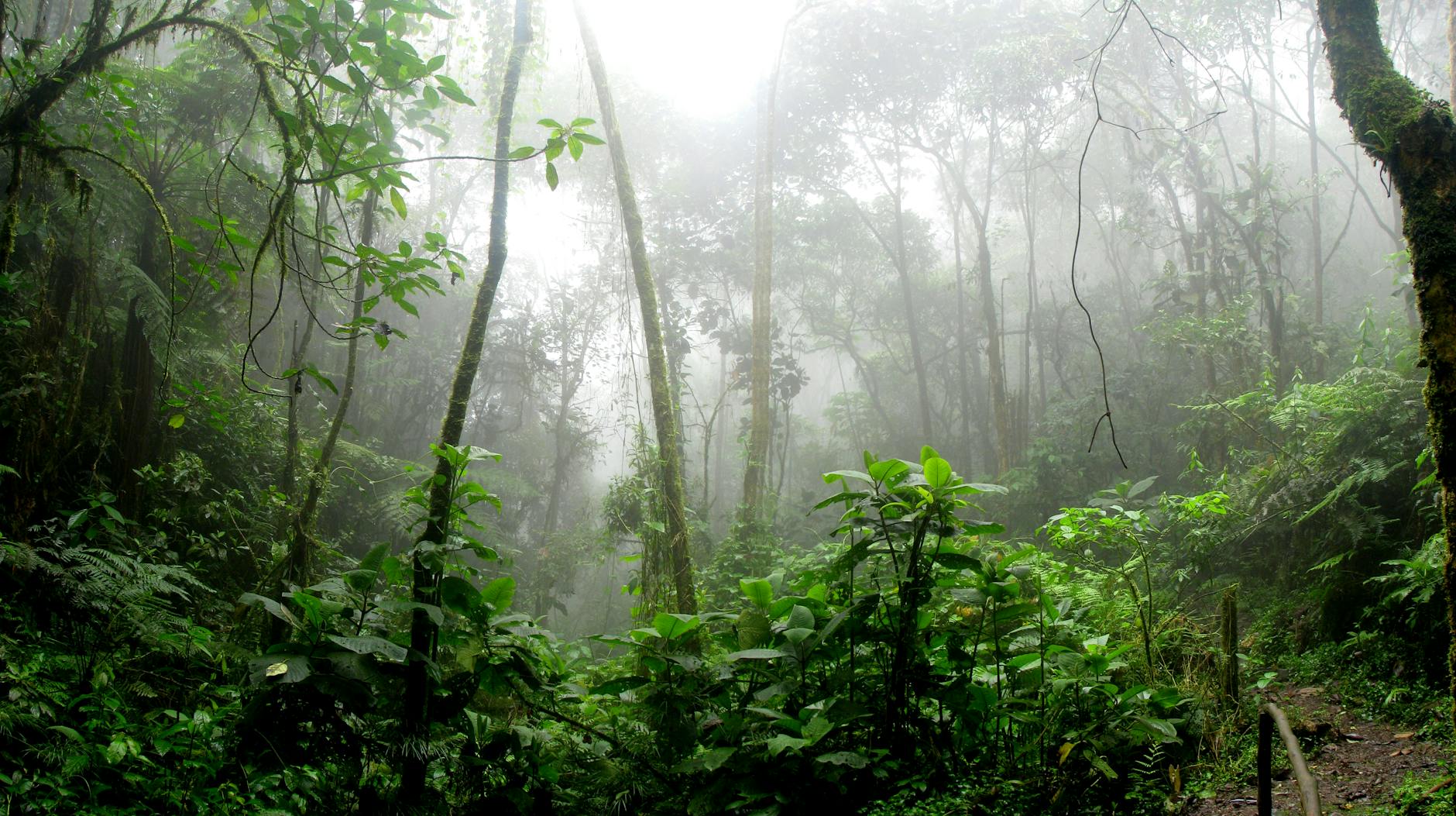
Scientifically referred to as the tropical rainforest, the “jungle” is an ecosystem defined by its evergreen vegetation and extreme biodiversity. Located primarily between 10° North and 10° South of the equator, these regions are characterised by high humidity, consistent warmth, and significant rainfall throughout the year.
Key Characteristics of the Tropical Rainforest
- Layered Structure: Often described as “Stockwerkbau,” the forest is divided into layers, from the dark forest floor to the emergent layer where trees reach heights comparable to church steeples.
- Biodiversity: A single hectare can house up to 400 different tree species. It is home to iconic fauna such as hummingbirds, poison dart frogs, and various primate species.
- Soil Paradox: Despite the lush growth, the soil is remarkably nutrient-poor with very little humus formation. The ecosystem relies on a rapid nutrient cycle.
- Flora: The landscape is dominated by epiphytes (plants that grow on other plants), lianas, and mosses.
The Media Jungle: IBES 2026 Reaches Fever Pitch
In Germany, the word “Dschungel” is currently synonymous with the RTL reality hit Ich bin ein Star – Holt mich hier raus!. As of today, Sunday, 08 February 2026, the competition has reached its final day (Day 17), following a season marked by unprecedented controversy and high viewership numbers.
The Finalists and Recent Departures
The 19th season has seen a mix of reality veterans and controversial figures. Following the departure of Simone Ballack on Day 14 and Eva Benetatou on Day 13, the camp has narrowed down to its final contenders.
| Candidate | Status (as of 08 Feb 2026) | Notable Moments |
|---|---|---|
| Gil Ofarim | Finalist | The most controversial participant of the season; currently a bookmaker favourite despite public polarisation. |
| Samira Yavuz | Finalist | Praised for her calm demeanour and logical arguments during camp disputes. |
| Hubert Fella | Finalist | Endured the final trials alongside Gil and Samira. |
| Ariel | Eliminated (Day 16) | Known for success in the “TraumAschiff” trial and frequent clashes with Gil. |
Season 19 Highlights
The 2026 season has been defined by the presence of Gil Ofarim, whose participation sparked significant debate across social media. While his manager suggests the camp fire provided a platform for “showing his true self,” critics have remained vocal. Meanwhile, the show continues to be a ratings juggernaut for RTL, with over 2.3 million views recorded in the VOD (Video on Demand) sector by the mid-way point of the season.
The Importance of Conservation
While the “Jungle Camp” provides entertainment, environmentalists remind the public that the real jungle is under threat. Often called the “Green Lungs” of the planet, these forests filter carbon dioxide (CO2) and are essential for global climate regulation. The loss of these habitats means not only the loss of rare flora and fauna but also the acceleration of climate change.
Frequently Asked Questions (FAQ)
Who won the Dschungelcamp in 2024?
Lilly Becker was crowned the Jungle Queen in the 2024 season.
Where is the Dschungelcamp filmed?
The German version of the show is filmed in the Australian rainforest, near Murwillumbah.
What is the “Green Lung” effect?
Rainforests act as carbon sinks, absorbing CO2 from the atmosphere and releasing oxygen through photosynthesis, which is vital for maintaining the Earth’s atmosphere.
How many species live in the tropical rainforest?
While exact numbers are unknown, it is estimated that tropical rainforests house more than half of the world’s plant and animal species, despite covering less than 6% of Earth’s land surface.