
US-Iran Tensions Peak as Nuclear Talks Stall and Military Presence Grows
BERLIN, 19 February 2026 — Relations between the United States and Iran have reached a critical juncture this week as diplomatic efforts in Switzerland failed to produce a breakthrough. With the Trump administration refusing to rule out military action and Tehran announcing joint naval exercises with Russia, the threat of a direct confrontation in the Middle East has intensified. As of Thursday, 19 February, global markets are reacting to the heightened risk, with oil prices surging amid a massive U.S. military build-up in the region.
Stalemate in Geneva: Diplomacy on the Brink
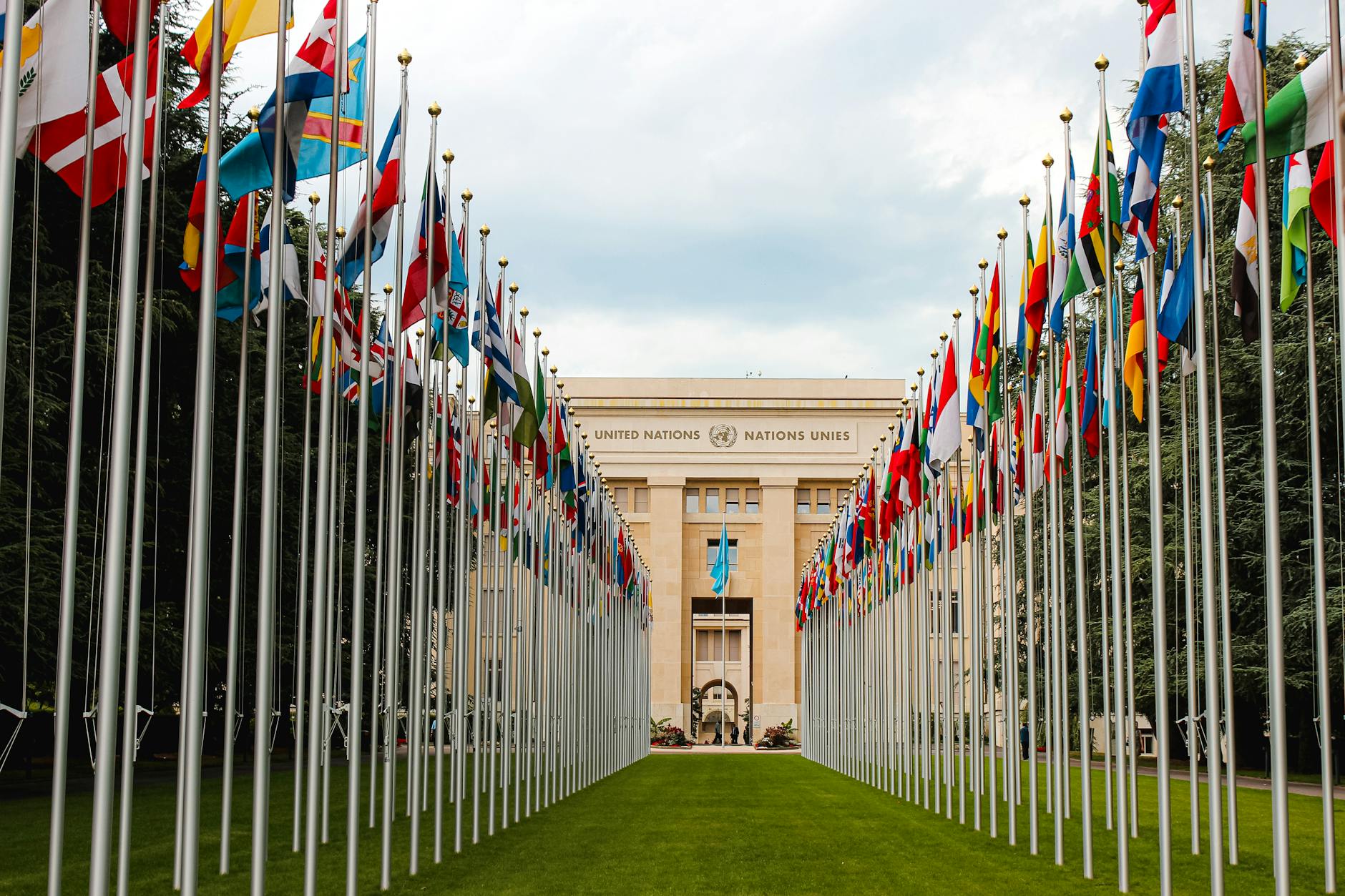
The second round of indirect nuclear negotiations between Washington and Tehran concluded in Geneva on 18 February 2026 without a clear path forward. Despite mediation by Oman and Switzerland, the talks were described by observers as “tense” and “muted.”
Key Developments from the Talks:
- Lack of Consensus: U.S. officials declined to commit to a firm timeline for further diplomacy, citing Iran’s refusal to accept immediate curbs on its nuclear enrichment.
- Tehran’s Skepticism: State-aligned media in Iran expressed doubt over Washington’s seriousness, questioning the U.S. commitment to sanctions relief.
- Regional Briefings: U.S. Secretary of State Marco Rubio is scheduled to travel to Israel next week to update Prime Minister Benjamin Netanyahu on the status of the negotiations.
Military Escalation and “Regime Change” Rhetoric
Parallel to the stalled diplomacy, the U.S. has significantly increased its military footprint. President Donald Trump recently ordered a second aircraft carrier strike group to the Middle East, warning Tehran of a “very bad day” should negotiations fail. On 13 February, the President suggested that a change of government in Iran would be the “best thing that could happen,” a statement that has reignited fears of a policy aimed at regime change.
In response, Iran and Russia announced joint naval exercises in the Sea of Oman. Moscow has warned that any U.S. strike on Iranian soil would have “consequences” and could destabilise the fragile diplomatic progress made between Iran and its neighbours, including Saudi Arabia, in recent years.
U.S. Troop Movements
In a surprising strategic shift, a senior White House official confirmed on 18 February that the U.S. is preparing to withdraw its remaining troops from Syria over the coming months. Analysts suggest this move may be intended to consolidate forces or reduce the vulnerability of U.S. personnel to Iranian-backed proxies as tensions mount.
Historical Context: A Legacy of Friction
The current crisis is the latest chapter in a relationship defined by over 70 years of hostility. The roots of the discord date back to the mid-20th century, shaped by coups and revolutions.
| Year | Event | Impact on Relations |
|---|---|---|
| 1953 | CIA-backed Coup | Overthrow of PM Mohammad Mosaddegh; restoration of the Shah. |
| 1979 | Islamic Revolution | Ousting of the Shah and the beginning of the Hostage Crisis. |
| 1980-1988 | Iran-Iraq War | U.S. support for Iraq further strained ties with the new Islamic Republic. |
| 2026 | Geneva Nuclear Talks | Current attempts to curb nuclear development amid military threats. |
Economic and Global Impact
The geopolitical instability has sent ripples through the global economy. Oil prices jumped 4% on Wednesday as traders weighed the possibility of a conflict that could disrupt supply lines in the Strait of Hormuz. While some market analysts suggest the global oil supply remains high, the “war premium” is currently driving prices upward.
Domestically, the U.S. administration faces a divided public. Recent YouGov polling indicates that 85% of Americans do not support a war with Iran, while only 5% are in favour of military intervention.
Frequently Asked Questions (FAQ)
Are the U.S. and Iran currently at war?
No, but military tensions are at their highest level in years. Both nations are engaged in high-stakes diplomacy while simultaneously positioning military assets in the Middle East.
What is the main goal of the Geneva talks?
The primary objective is to reach an agreement that limits Iran’s nuclear program in exchange for the lifting of economic sanctions. However, the two sides remain far apart on the specifics of the “breakout time” and the extent of sanctions relief.
Why is Russia involved?
Russia maintains a strategic partnership with Iran and has warned the U.S. against military strikes. The announcement of joint naval drills is seen as a signal of support for Tehran against U.S. pressure.
What happened in 1953?
The U.S. CIA and British intelligence orchestrated a coup to overthrow the democratically elected Prime Minister Mohammad Mosaddegh after he nationalised Iran’s oil industry. This event is often cited by Tehran as the origin of modern Iranian distrust toward Washington.