
Verona: Ancient Heritage Meets the Grand Finale of the 2026 Winter Olympics
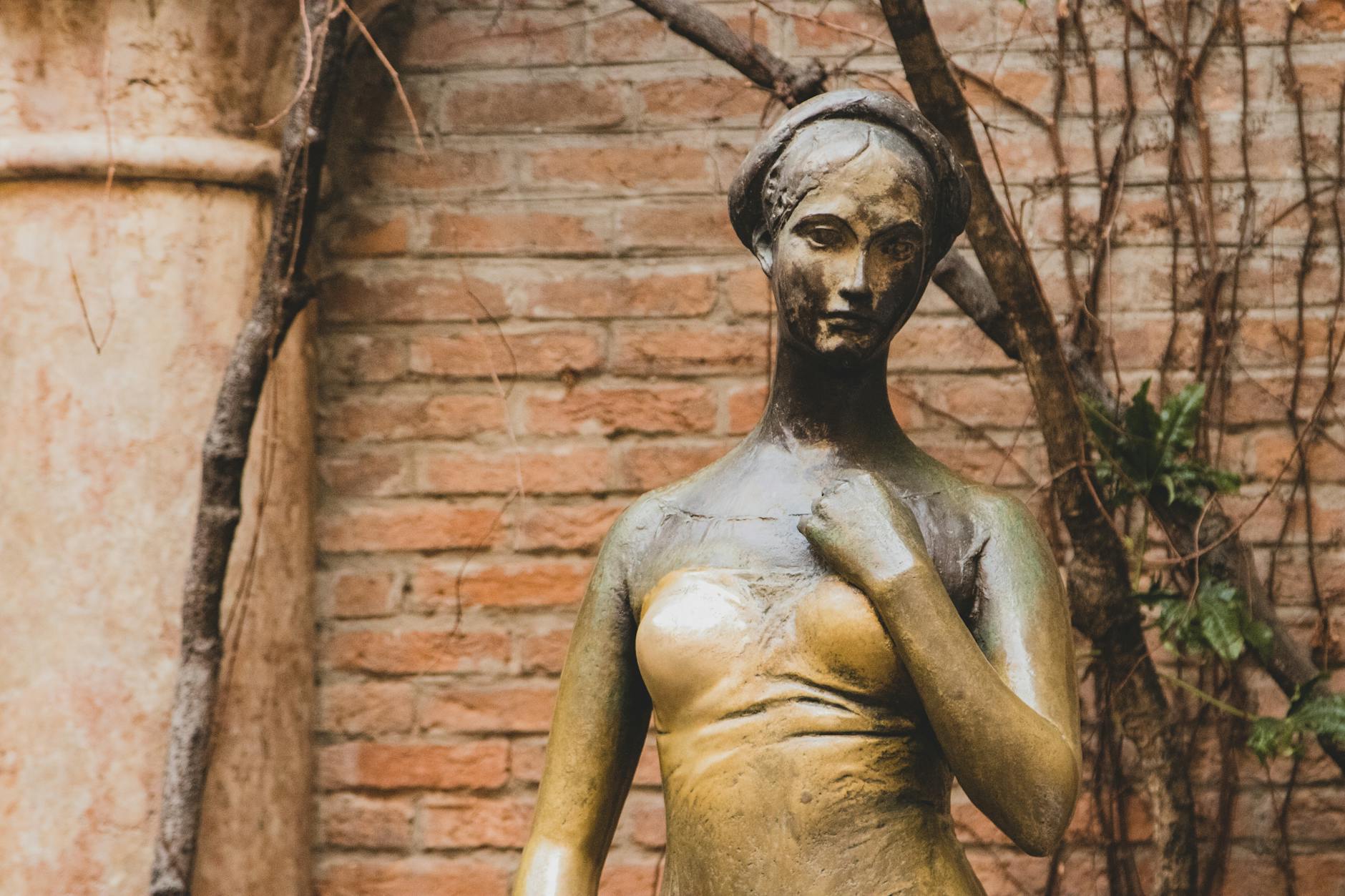
VERONA, 20 February 2026 — As the world turns its eyes toward Northern Italy for the conclusion of the Milano Cortina 2026 Winter Games, the historic city of Verona finds itself at the centre of a global celebration. Known for its 2,000-year history and its status as a UNESCO World Heritage site, the city is currently undergoing final preparations to host the Olympic Closing Ceremony this coming Sunday.
The Olympic Spotlight: Closing Ceremony at the Arena
In just two days, on Sunday, 22 February 2026, the ancient Arena di Verona will serve as the stage for the final act of the Winter Olympics. The 2,000-year-old Roman amphitheatre, which is older than the Colosseum in Rome, has been outfitted with the Olympic rings and modern technical infrastructure to welcome approximately 1,500 athletes.
Event Details and Logistics
The ceremony is scheduled to begin at 2:30 p.m. Eastern Time (ET), which corresponds to the evening hours in Italy. Local authorities have taken significant measures to ensure smooth operations; notably, a nationwide aviation strike originally planned for mid-February was postponed until 26 February to prevent disruption for departing Olympic delegations and tourists.
Artistic Highlights
The ceremony promises a blend of ancient tradition and contemporary Italian culture. It has been confirmed that the Roman singer Achille Lauro, who was born in Verona, will be a featured performer during the grand finale. The event aims to celebrate the diversity of the games while providing a “taste of inspiration” for the future of winter sports.
A UNESCO Legacy: 25 Years of Recognition
Verona was declared a UNESCO World Heritage Site in November 2000. As the city marks over a quarter-century with this designation, its urban fabric remains a “graphic testimony” to its ancient foundations. The city is celebrated for its unique integration of architectural styles across four distinct periods:
| Historical Period | Architectural Contribution to Verona |
|---|---|
| Roman Period | The grid structure of the city and the Arena di Verona. |
| Romanesque | Development of ecclesiastical architecture and city fortifications. |
| Middle Ages | The era associated with the Scaliger family and the setting for “Romeo and Juliet”. |
| Renaissance | Refinement of urban palaces and the integration of fine arts into the city’s structure. |
Economic and Cultural Impact
The 2026 Winter Games have brought a significant economic surge to the region. Recent analyses suggest a total economic impact of approximately €5.3 billion, with €2.3 billion attributed directly to tourism spending. Verona, as a primary cultural hub and the site of the closing festivities, has seen a surge in international visitors, bolstered by travel incentives and the city’s reputation for high quality of life.
Frequently Asked Questions
When is the 2026 Winter Olympics Closing Ceremony?
The ceremony will take place on Sunday, 22 February 2026, at the Arena di Verona.
Why is Verona a UNESCO World Heritage Site?
Verona was recognized by UNESCO in 2000 because of its exceptional urban structure and architecture, which represent 2,000 years of continuous development, marrying Roman monuments with Medieval and Renaissance art.
Who is performing at the Verona Olympic Closing Ceremony?
The Roman-born singer Achille Lauro is confirmed to perform as part of the grand finale celebrations.
Is there any travel disruption expected in Verona this week?
While a major aviation strike was postponed to 26 February to protect the Olympics, visitors should remain aware of local traffic restrictions around the Arena di Verona due to high-security protocols for the Closing Ceremony.