
Bolzano: The Alpine Gateway Where Mediterranean and Central Europe Meet
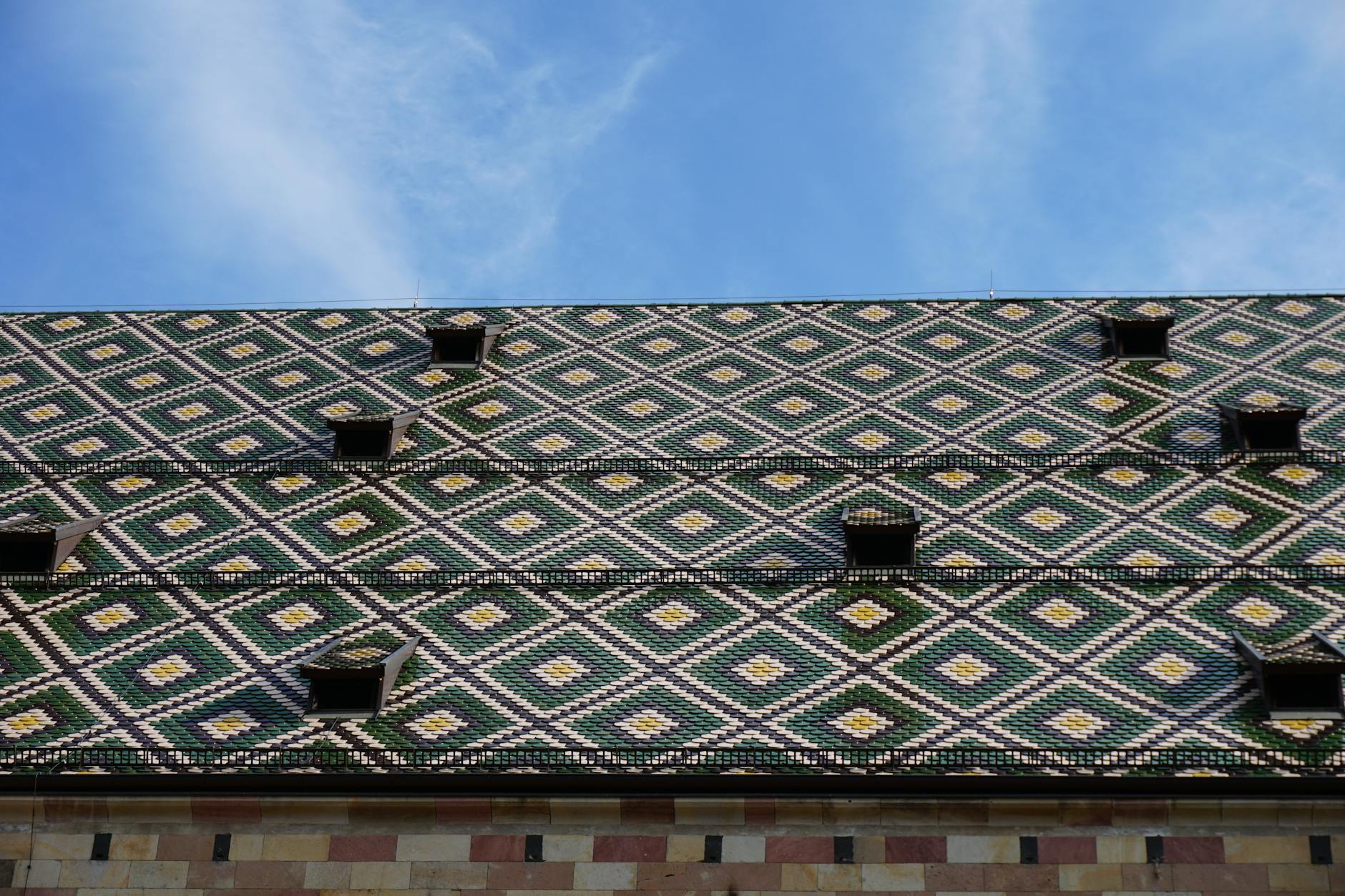
BOLZANO, 20 February 2026 — As the capital of the autonomous province of South Tyrol in northern Italy, Bolzano (known as Bozen in German) continues to serve as a critical cultural bridge. Located in a basin surrounded by the Val Sarentino, Valle dell’Adige, and the Valle Isarco, the city remains a unique European hub where Italian, German, and Ladin cultures coexist. As of February 2026, the city maintains its status as a primary economic and tourist driver for the Trentino-Alto Adige region.
Geographic and Demographic Profile
Bolzano is situated at a significant crossroads in the Alps. While historical records from March 2005 cited a population of 98,057, contemporary data identifies the city as having 108,245 residents. It is the largest city in South Tyrol and the third-largest in the historical Tyrol region.
| Feature | Details |
|---|---|
| Official Names | Bolzano (Italian), Bozen (German), Balsan/Bulsan (Ladin) |
| Population | 108,245 |
| Latitude | 46° 29′ 53″ N |
| Longitude | 11° 21′ 17″ E |
| Region | Trentino-Alto Adige/Südtirol |
Current Events and Local Developments
Historical Commemorations
In recent days, local interest has surged regarding historical retrospectives of the city. A “Then & Now” documentary series released yesterday (19 February 2026) featured footage shot last week in the city centre. The episode compared the surrender of German soldiers in Via Armando Diaz in 1945 to the modern-day landscape of 2026, highlighting the city’s architectural preservation along the Via Giuseppe Garibaldi.
Seismic Activity and Environment
While the region is known for its mountainous terrain, geological monitoring reports from three days ago indicate that there have been no significant confirmed earthquakes in or near South Tyrol in the last 24 hours. However, the broader region has recorded 23 minor quakes within the past 30 days, none of which caused damage to the city’s infrastructure.
Digital and Social Initiatives
The Free Software Foundation Europe (FSFE) recently highlighted Bolzano in its news archive (14 February 2026), discussing collaborative efforts within the city regarding open-source digital sovereignty. Additionally, the local Tourist Board updated its official guidance 16 hours ago to accommodate the late-winter influx of visitors seeking Alpine recreation.
Culture and Language
Bolzano remains a focal point for discussions on linguistic diversity. As an autonomous province, South Tyrol provides official status to both Italian and German. Public insights continue to monitor the balance between these languages, particularly in the context of historical standardisation and the preservation of the local Ladin dialect.
Upcoming Events
The local cultural scene is preparing for the “Ultimate Soul & Motown Night” scheduled for Saturday, 28 February 2026. The event, featuring Sheila Diamond, is set to take place at local venues, highlighting the city’s diverse contemporary entertainment offerings beyond its traditional Alpine roots.
Frequently Asked Questions (FAQ)
What is the primary language spoken in Bolzano?
Bolzano is officially bilingual. Both Italian and German are used in administration, education, and daily life. A small minority also speaks Ladin, a Rhaeto-Romance language native to the mountain valleys.
Is Bolzano part of Italy or Austria?
Bolzano is located in Italy. It is the capital of the autonomous province of South Tyrol, which was part of the Austro-Hungarian Empire until it was annexed by Italy following World War I.
What is the area of the Bolzano municipality?
The municipality covers an area of approximately 52.34 square kilometres, situated in a valley basin at the confluence of the Talvera and Isarco rivers.