
The Loire: France’s Royal Waterway and the Valley of Kings
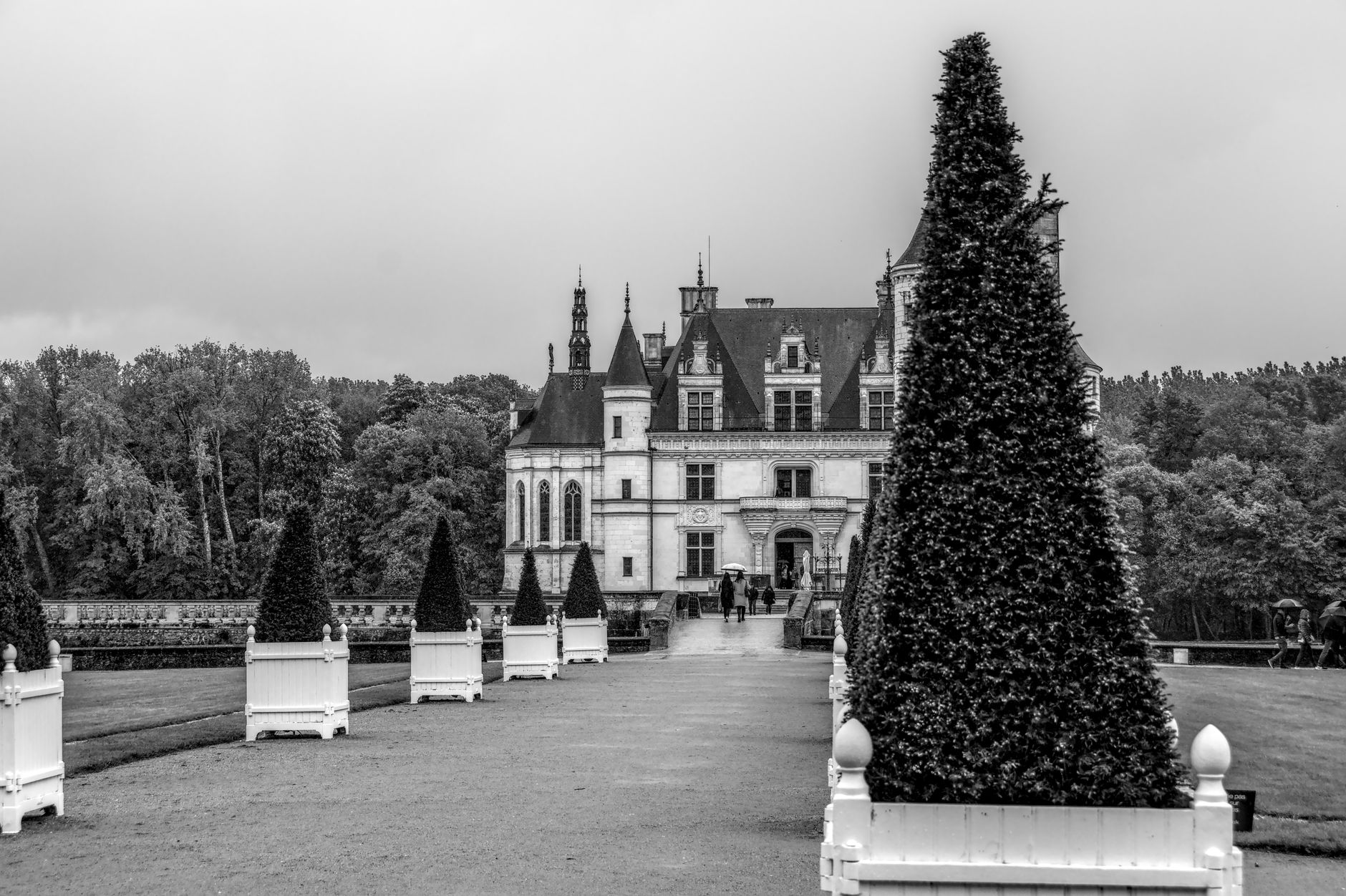
Loire Valley, France – 08 March 2026: Flowing for over 1,000 kilometres from the rugged Massif Central to the Atlantic Ocean, the Loire River is not merely the longest river in France; it is the lifeblood of a region synonymous with Renaissance splendour, architectural marvels, and viticultural excellence. Often called “the Garden of France,” the Loire Valley, a UNESCO World Heritage site, is a living tapestry woven from history, nature, and culture. This week, as a stunning Victorian Gothic mansion in Somerset, Tyntesfield, offers free entry and draws comparisons to French châteaux, the timeless allure of the Loire’s own fairy-tale castles is once again in the spotlight.
The Geography of the Loire River
The Loire’s journey begins in the south-eastern highlands of the Massif Central. It flows northwards before making a grand westward turn towards the Atlantic, draining a vast basin of approximately 117,000 square kilometres. Its course and tributaries have shaped the landscape, climate, and human settlement for millennia.
Course and Major Tributaries
The river’s path is characterised by shifting sandbanks and seasonal flow variations. Its most significant tributary is the Allier River, which meets the Loire at Le Bec d’Allier. Other important tributaries include the Maine, Cher, Indre, Vienne, and Sèvre Nantaise, which collectively feed the main artery and create the diverse ecosystems of the basin.
Key Facts About the Loire River
| Attribute | Detail |
|---|---|
| Total Length | Approximately 1,006 km (625 miles) |
| Rank in France | Longest river |
| Drainage Basin Area | ~117,054 km² |
| Major Tributary | Allier River |
| Key Cities Along Its Banks | Nantes, Angers, Tours, Orléans |
The Loire Valley: A UNESCO Treasure
Stretching from Sully-sur-Loire to Chalonnes-sur-Loire, the Loire Valley is celebrated for its exceptional cultural landscape. This is not just a collection of castles, but a harmonious blend of historic towns, cultivated farmlands, vineyards, and the river itself, which has been managed sensitively for centuries.
Architectural Crown Jewels: The Châteaux
The Valley is world-famous for its concentration of historic châteaux, which represent the evolution of French architecture from the Middle Ages to the Renaissance. These were not just fortresses but centres of art, politics, and leisure for the French court.
Recent social media buzz highlights the enduring fascination with these structures. From discussions about the fairy-tale Château d’Ussé (inspiration for Sleeping Beauty) to photos of the moated Château de la Bretesche, public interest remains high. Just this week, a new resident in Richelieu, Loire Valley, shared their joy at hearing church bells, embodying the romantic dream of living in this historic region.
Navigation, Tourism, and Modern Life
While less used for heavy commercial traffic today, the Loire remains a vital recreational and tourist corridor. Detailed navigation guides are available for stretches like St Nazaire to Nantes and Angers, catering to boating enthusiasts.
Current Events and Cultural Pulse
The Loire Valley continues to be a dynamic region. This week, high school students across the Pays de la Loire region are competing in a regional English public speaking competition. Looking ahead to 2026, luxury experiences are being curated, such as an Aston Martin tour through the Valley culminating at the 24 Hours of Le Mans. Furthermore, the region’s safety was underscored by a recent incident where French Rafale jets had a close call with power lines in the Haute-Loire department during an aerial display, resulting in minor damage but no injuries.
Frequently Asked Questions
How long is the Loire River?
The Loire River is approximately 1,006 kilometres (625 miles) long, making it the longest river entirely within France.
What is the Loire Valley famous for?
The Loire Valley is a UNESCO World Heritage site famous for its spectacular Renaissance châteaux (like Chambord, Chenonceau, and Amboise), its historic towns, beautiful vineyards producing renowned wines (Sancerre, Vouvray), and its picturesque, garden-like landscape along the river.
What are the main cities on the Loire River?
Key cities include Nantes (a major cultural and economic hub near the estuary), Angers, Tours (considered the gateway to the château country), and Orléans.
Can you navigate the Loire River by boat?
Yes, certain sections of the Loire are navigable, particularly for leisure boating. Detailed navigation guides with information on ports, depths, and locks are available for popular stretches, such as from St Nazaire to Nantes and Angers.
Is the Loire Valley a good place to visit for history and culture?
Absolutely. Beyond the châteaux, the region offers a rich calendar of events, from local markets and wine tastings to historical re-enactments and music festivals. It is a living cultural landscape where history is palpably present.