
German Fitness Enthusiasts Embrace Screenless Wearables as WHOOP and Oura Lead Market
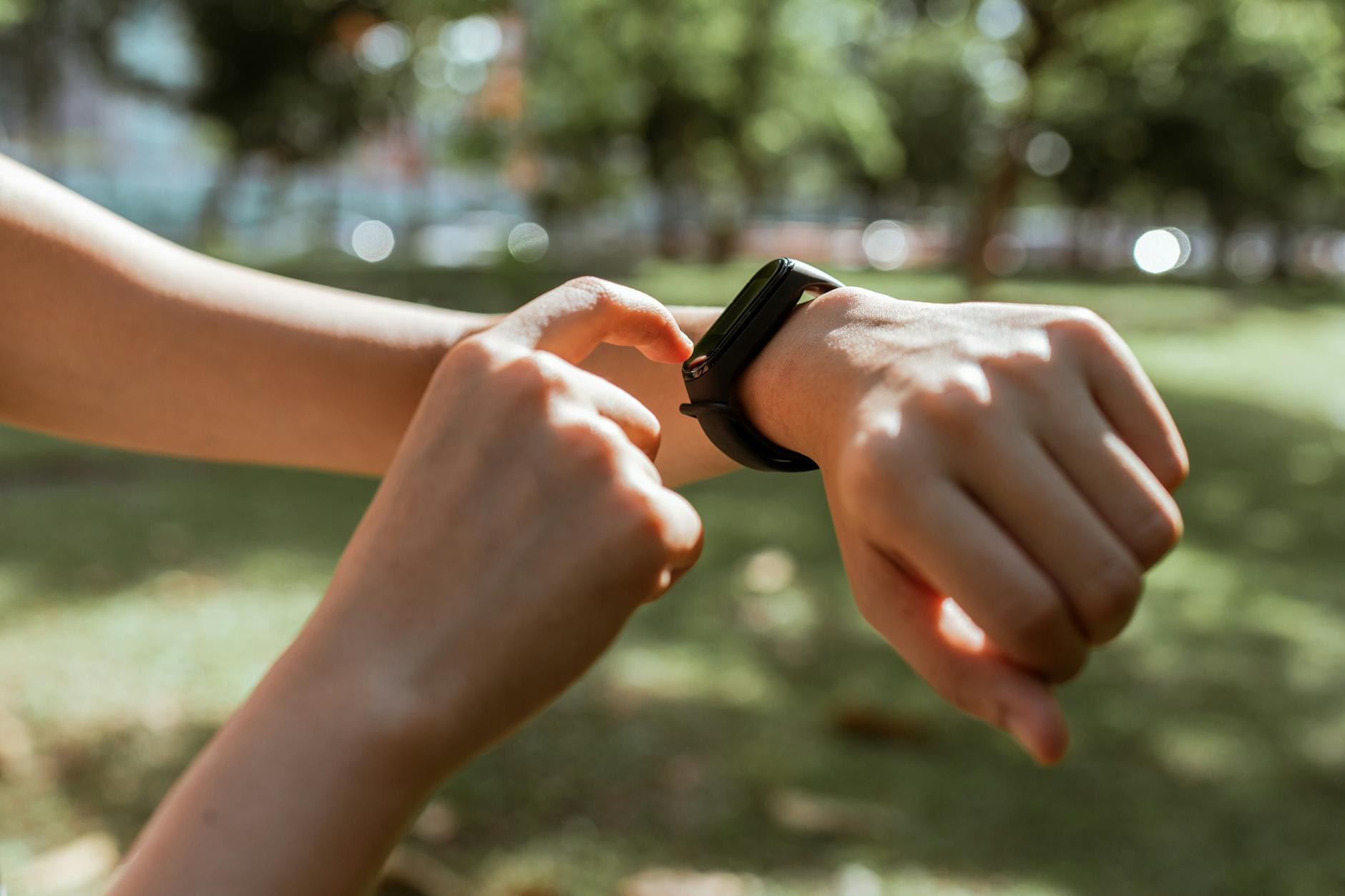
BERLIN, 31 January 2026 – The German wearable device market is undergoing a significant shift, with a growing segment of consumers opting for discreet, screenless health monitors over traditional smartwatches. Devices like the WHOOP 5.0 strap and the Oura Ring 4 are at the forefront of this trend, prioritising continuous biometric tracking and personalised recovery insights over notifications and apps.
The Rise of the “Quiet” Tracker
Unlike multi-function smartwatches, these specialised wearables focus solely on health metrics. The WHOOP 5.0, a 24/7 wearable band, tracks heart rate, heart rate variability (HRV), sleep stages, and skin temperature. Its key innovation is the “Strain” metric, a 0-21 scale measuring cumulative cardiovascular and muscular effort, which is then balanced against a daily “Recovery” score. Similarly, the Oura Ring provides a daily “Readiness” score based on passive data collection, excelling in sleep analysis with advanced temperature sensors. Both devices represent a move towards what industry observers call “proactive health management,” where data is used to inform daily behaviour rather than simply record activity.
Key Features Defining the 2026 Market
| Device & Core Philosophy | Standout Features (2026) |
|---|---|
| WHOOP 5.0 Optimising performance through strain/recovery balance. | FDA-cleared EKG for atrial fibrillation detection; Blood pressure insights (systolic/diastolic); Industry-leading accuracy in HR & HRV (per independent study); 30-day calibration period for personalised baselines. |
| Oura Ring 4 “Set it and forget it” holistic health tracking. | Improved power efficiency (up to 8-day battery life); Enhanced sleep stage analysis; Discreet, jewellery-like form factor; Advanced temperature sensing for cycle tracking and illness prediction. |
| Market Context German Smart Sports & Health Watch Sector | Growth driven by rapid adoption of digital tech; Over 65% of consumers now track physical activity; Increasing demand for devices with early disease detection capabilities. |
Beyond the Wrist: A Broader Biohacking Trend
The popularity of these devices is part of a larger “biohacking” movement in Germany and across Europe. The market is expanding to include smart sports monitoring patches and other flexible electronics designed for continuous, medical-grade monitoring. This aligns with a surge in the healthcare semiconductor sector, fuelled by demand for real-time health data. Research indicates wearable mHealth technology shows particular promise for engaging previously underserved groups in physical activity.
Frequently Asked Questions
Is a device like WHOOP or Oura better than a smartwatch for fitness?
It depends on your goals. Smartwatches offer broader functionality (calls, messages, apps). WHOOP and Oura provide deeper, more focused health and recovery insights, with longer battery life and a less distracting form factor, making them preferred by athletes and those dedicated to optimising wellness.
How accurate are these wearables?
Accuracy has improved significantly. An independent study by Central Queensland University found WHOOP to be the most accurate wearable for measuring heart rate and HRV. The Oura Ring is also highly regarded for its sleep and temperature tracking. However, for medical diagnoses, always consult a healthcare professional.
What is driving growth in Germany’s wearable market?
Several factors are at play: heightened health awareness post-pandemic, the nation’s rapid adoption of cutting-edge digital technologies, and the increasing consumer desire for personalised, data-driven insights into their own wellbeing and athletic performance.