
Germany’s Vital East-West Artery: The Mittellandkanal
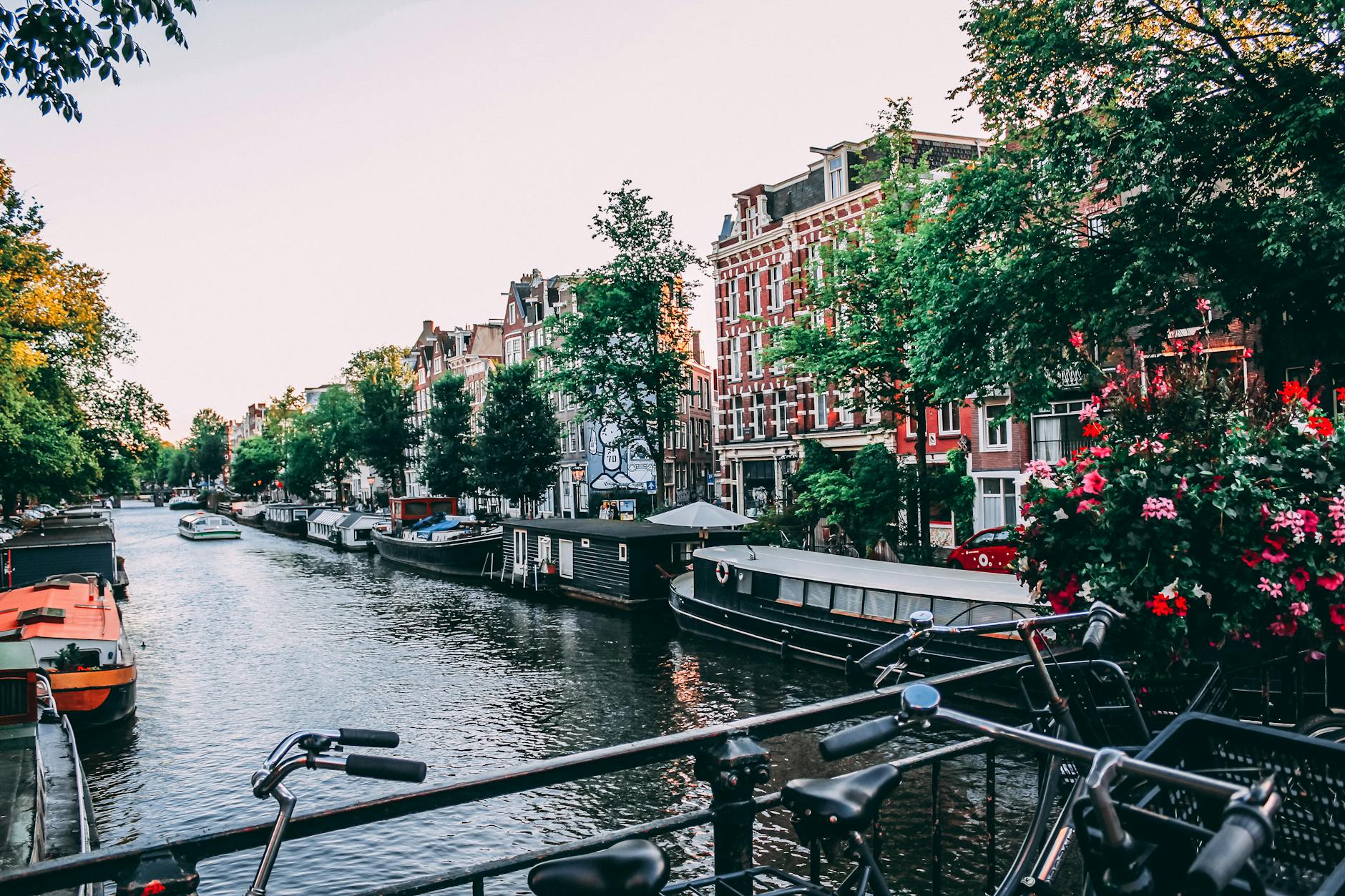
Minden/Magdeburg, 08 February 2026 — As Germany faces a rigorous winter season, the Mittellandkanal (MLK), the nation’s longest artificial waterway, has become the focus of intense logistical efforts. While the canal serves as a critical backbone for industrial transport between the Rhine and the Elbe, current weather conditions have forced significant operational adjustments across its 320-plus kilometre span.
Current Status: Ice Blockages and Navigation Restrictions
As of early February 2026, severe winter weather has significantly impacted shipping traffic. Following heavy snowfall and freezing temperatures over the last week, authorities have reported that ice floes are obstructing key sections of the waterway. Despite the deployment of icebreakers, several stretches have been closed to ensure safety.
Regional Disruptions
- Minden and Bückeburg: Navigation has been suspended in these sectors as of 05 February 2026. Local reports indicate that the ice thickness has reached dangerous levels, prompting the Waterways and Shipping Office (WSA) to halt traffic to prevent hull damage and accidents.
- Magdeburg and Jerichower Land: The eastern end of the canal, including the connection to the Elbe-Havel Canal, remains heavily affected. Eisschollen (ice floes) continue to block the passage, with icebreakers working continuously to maintain a path for essential supply vessels.
- Peine and Braunschweig: While industrial activity continues at the ports, such as the scrap metal handling in Peine, the overall flow of goods is experiencing delays due to the restricted speed limits necessitated by the icy conditions.
Technical Specifications and Infrastructure
The Mittellandkanal is a masterpiece of early 20th-century engineering, designed to link the industrial heartlands of the west with the eastern territories. It spans approximately 321 to 325 kilometres, depending on the inclusion of specific access branches.
Key Dimensions and Capacity
To accommodate modern shipping, the canal has undergone extensive expansion. The current standards for the “Großmotorgüterschiff” (Large Motor Cargo Ship) and push-tows are as follows:
| Feature | Specification |
|---|---|
| Total Length | Approx. 321–325 km |
| Max Vessel Length (üGMS) | 135 m |
| Max Push-Tow Length | 185 m |
| Main Locks | Anderten, Sülfeld, Hohenwarthe |
The Lock Systems
The canal’s elevation is managed by a series of sophisticated locks. Notably, the Anderten Lock (Hindenburgschleuse) remains one of the busiest, handling over 17,000 vessels in peak years. Further east, the Sülfeld South lock chamber provides a length of 225 metres and a width of 12.5 metres, ensuring that even the largest inland vessels can navigate the height differences efficiently.
In the Osnabrück branch (Stichkanal Osnabrück), the historical lock at km 7.2, built between 1913 and 1915, serves as a reminder of the canal’s heritage, featuring a lift height of 4.75 metres and a usable length of 82 metres.
Historical Development
The vision for a “Rhine-Weser-Elbe” canal dates back to the mid-19th century, with the first formal memorandum issued in Dortmund in 1856. Construction began in the west in 1905 and proceeded in stages. The primary sections were completed between 1911 and 1938, creating a continuous link that bypassed the unpredictable water levels of the natural river systems.
Frequently Asked Questions (FAQ)
Where does the Mittellandkanal start and end?
The canal branches off from the Dortmund-Ems Canal at Bergeshövede (near Rheine) and terminates at the Elbe river near Magdeburg, where it connects to the Elbe-Havel Canal via the Magdeburg Water Bridge.
How many locks are on the main route of the Mittellandkanal?
There are only three major locks located directly on the main line of the Mittellandkanal: Anderten (Hannover), Sülfeld (Wolfsburg), and Hohenwarthe (Magdeburg).
Is the Mittellandkanal currently open for shipping?
As of 08 February 2026, several sections near Minden, Bückeburg, and Magdeburg are closed or restricted due to ice formation. Mariners are advised to check the latest notices from the WSA (Wasserstraßen- und Schifffahrtsverwaltung).
What is the maximum depth of the canal?
While depths vary by section and recent expansions, the standard “Abladetiefe” (loading depth) in many older sections was 2.20 metres, but modernised sections and new lock sills (such as Sülfeld South) are designed for depths of up to 4 metres.