
Jean Gabin: The Enduring Legacy of France’s Quintessential Actor
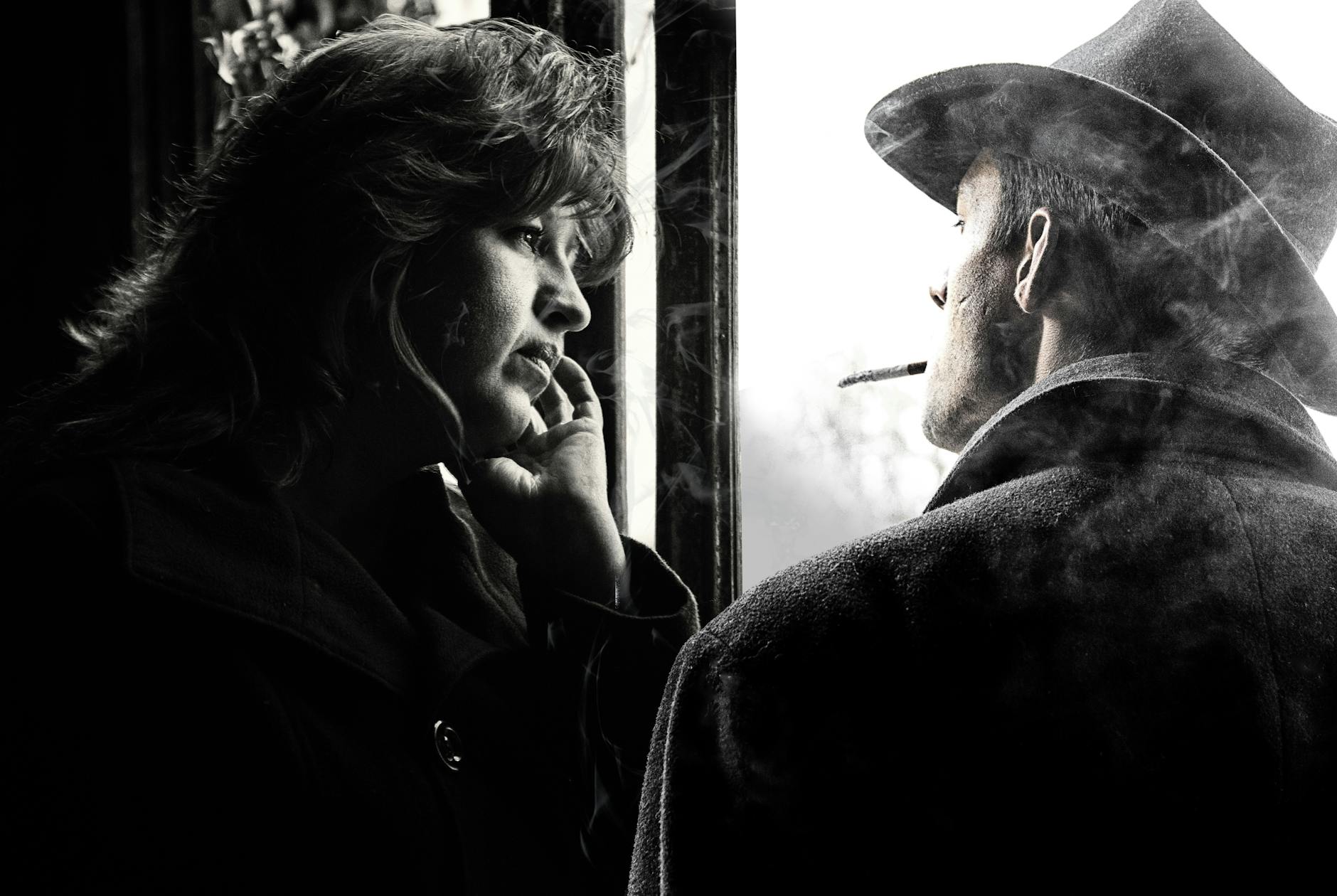
PARIS, 23 March 2026 – More than five decades after his passing, the shadow of Jean Gabin still looms large over French cinema. Often described as the very soul of France on screen, Gabin’s career spanned five decades and over 95 films, cementing him as a national icon. His rugged, everyman persona—simultaneously vulnerable and indomitable—came to define the poetic realism of the 1930s and influenced generations of actors. As his classic films continue to be broadcast and celebrated, such as the recent airing of *Du rififi à Paname* on Paris Première, his work remains a masterclass in cinematic authenticity and emotional depth.
The Rise of a Working-Class Hero
Born on 17 May 1904, Jean Gabin rose from the music halls of Paris to become the most recognised French actor of his generation. His breakthrough in the 1930s was not just a personal success but a cultural moment. He became the face of “poetic realism,” a film movement that blended gritty, often bleak social realities with a profound, melancholic beauty. Gabin was the perfect vessel for this style, bringing a raw, unvarnished humanity to his roles.
Defining Roles of the Golden Era
In a remarkably fertile period, Gabin collaborated with legendary directors like Jean Renoir and Marcel Carné to create some of cinema’s most enduring masterpieces. His performances were not mere acting; they were profound studies of fate, dignity, and despair.
- La Grande Illusion (1937): In Jean Renoir’s anti-war classic, Gabin played Lieutenant Maréchal, a captured French soldier. The film, exploring class and nationality amidst the futility of war, remains a cornerstone of world cinema.
- Pépé le Moko (1937): As the titular gangster trapped in the Casbah of Algiers, Gabin created the archetype of the doomed romantic hero, a man ensnared by both love and circumstance.
- Le Quai des Brumes (Port of Shadows, 1938): Teaming with director Marcel Carné and actress Michèle Morgan, Gabin embodied the ultimate fatalistic drifter in this fog-shrouded tale of lost souls, a quintessential work of poetic realism.
A Career Reinvented: From Tragic Hero to Authority Figure
After wartime service and a brief stint in Hollywood, Gabin returned to France to reinvent his screen image. Shedding the mantle of the doomed young lover, he matured into roles of authority—police commissioners, seasoned gangsters, and patriarchal figures. This second act proved his remarkable versatility.
The Inspector Maigret Years
A significant chapter in this later period was his portrayal of Georges Simenon’s famous detective, Jules Maigret. Gabin brought his signature gravitas and world-weariness to the role in a series of films.
| Film Title | Year | Role |
|---|---|---|
| Maigret Sets a Trap | 1958 | Commissaire Jules Maigret |
| Maigret and the St. Fiacre Case | 1959 | Commissaire Jules Maigret |
| Inspector Maigret | 1963 | Commissaire Jules Maigret |
Later Iconic Pairings
Gabin continued to star in major successes, often alongside the new generation of stars, bridging classic and modern French cinema. Films like Any Number Can Win (1963) with Alain Delon and the classic heist film The Sicilian Clan (1969) with Delon and Lino Ventura showcased his undimmed power and adaptability as a leading man.
The Gabin Legacy in Contemporary Culture
Jean Gabin’s influence is far from historical. His films are regularly featured in television schedules and film festivals, introducing his work to new audiences. As noted in recent social media discussions, his name is still invoked as a benchmark for authentic, charismatic acting. Contemporary artists and galleries, such as the Area35 Art Gallery in Milan, have even curated exhibitions inspired by his legacy, like “Moi, Jean Gabin.” His persona—the tough yet tender man of the people—continues to resonate, a testament to the timeless quality of his best performances.
Frequently Asked Questions
When and where was Jean Gabin born?
Jean Gabin was born on 17 May 1904 in Paris, France.
What are Jean Gabin’s most famous films?
His most celebrated films include La Grande Illusion (1937), Pépé le Moko (1937), Le Quai des Brumes (1938), and later hits like The Sicilian Clan (1969).
Did Jean Gabin play Inspector Maigret?
Yes, he portrayed Commissaire Jules Maigret in three films: Maigret Sets a Trap (1958), Maigret and the St. Fiacre Case (1959), and Inspector Maigret (1963).
When did Jean Gabin pass away?
Jean Gabin died on 15 November 1976 in the Parisian suburb of Neuilly-sur-Seine.
Why is Jean Gabin still important today?
Gabin is considered the defining actor of French poetic realism. His ability to portray profound humanity, resilience, and tragedy established a blueprint for cinematic realism that continues to influence actors and filmmakers. His filmography remains a vital part of France’s cultural heritage.