
Patagonia Under Siege: Wildfires and Conservation Battles in 2026
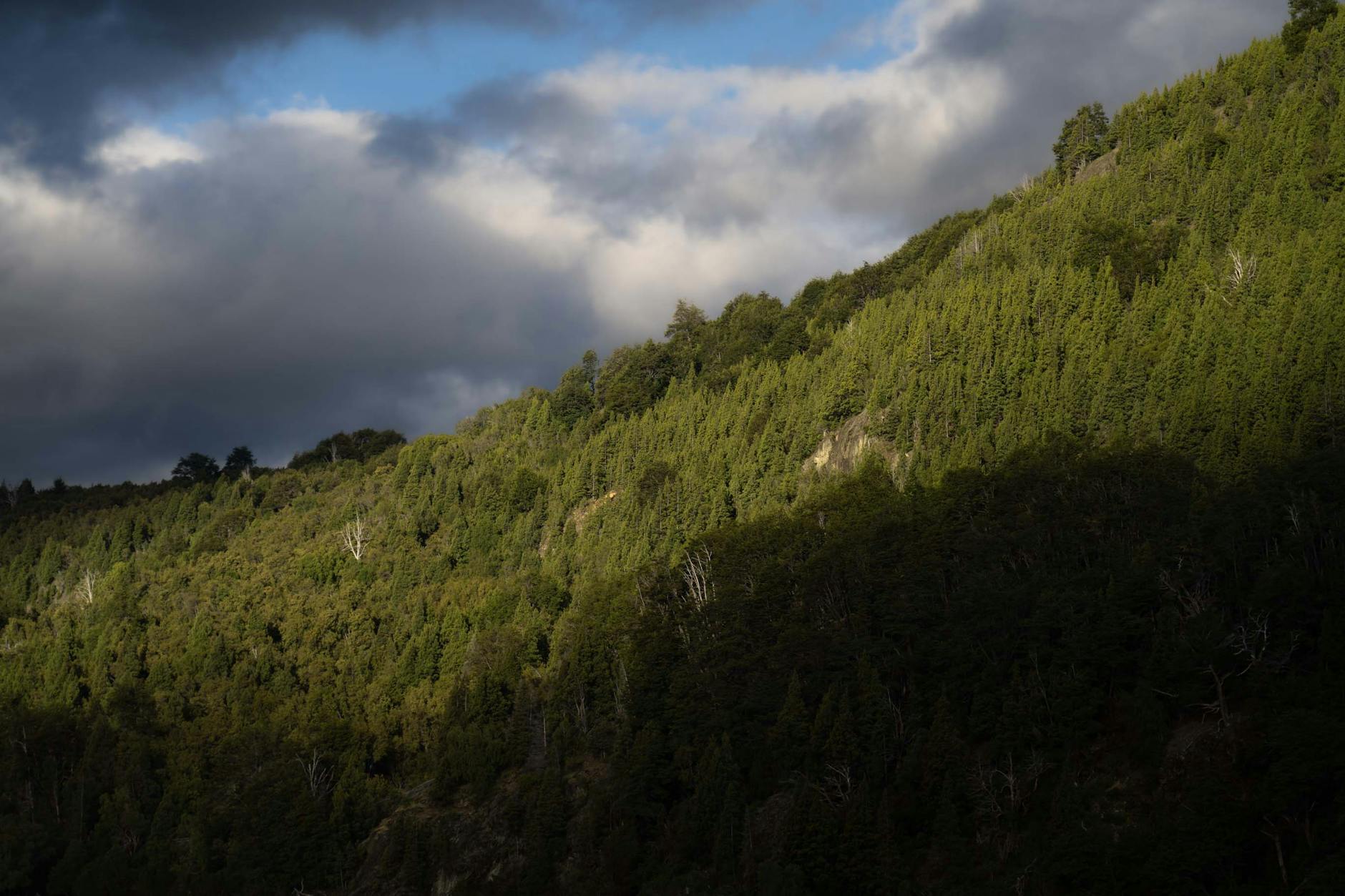
BUENOS AIRES / SANTIAGO, 09 February 2026 — The vast wilderness of Patagonia, a region synonymous with untouched glaciers and ancient forests, is currently facing a dual reality. While international investors eye the southern tip of South America as a cornerstone for Europe’s green energy transition, a devastating wildfire season has left hundreds of thousands of hectares in ash, sparking a political firestorm in Argentina.
Environmental Crisis: Wildfires Ravage the Steppe
As of early February 2026, Patagonia is grappling with one of the most severe wildfire seasons in decades. Driven by extreme heat, prolonged drought, and the region’s notorious high winds, the flames have crossed critical thresholds in both Argentina and Chile.
State of Emergency in Argentina
Two days ago, on 07 February 2026, the Argentine government officially declared a state of emergency as the fires surpassed a staggering 200,000 hectares of destroyed land. The situation is particularly dire near the Chilean border, where ancient forests—some containing trees over 2,600 years old—are being consumed by the flames.
Political Backlash and Sparzwang
The crisis has taken a political turn. Critics of Argentine President Javier Milei have intensified their rhetoric over the last six days, accusing the administration’s austerity measures (Sparzwang) of crippling the country’s ability to respond. Reports from El Hoyo indicate that local firefighters are operating under extreme physical strain with dwindling resources, leading to public protests against budget cuts in the midst of the environmental catastrophe.
The Future of Energy: Wind Parks and Green Hydrogen
Despite the environmental devastation, Patagonia remains at the centre of global industrial interest. Just two days ago, international reports highlighted the region’s role in Europe’s energy transition. Plans are underway to develop massive wind parks in Chilean Patagonia. One proposed park alone is estimated to be nearly twice the size of Lake Constance, leveraging the consistent, powerful winds of the Roaring Forties to produce green hydrogen for export.
Conservation Milestones and Restrictions
Amidst the smoke and industrial planning, there are significant victories for Patagonian biodiversity and stricter controls on tourism.
- The Return of the Guanaco: Two days ago, conservationists celebrated a major milestone in the Torres del Paine National Park. After over a century of decline and local extinction in certain sectors, the Guanaco—a native camelid—is seeing a successful resurgence, marking a victory for rewilding efforts.
- Cochamó Valley Restrictions: As of 06 February 2026, the Cochamó Valley has implemented a strict new protection regime. To preserve the “Yosemite of South America,” authorities have capped visitors at 15,000 per year, with only 20% of the territory accessible to tourists.
Regional Overview: Geography and Etymology
Patagonia remains a complex geographical entity spanning the southern portions of the Andes mountains in Argentina and Chile. It is bounded to the north by the Río Colorado (Argentina) and the Río Bío Bío (Chile), extending south to the Strait of Magellan.
| Feature | Description |
|---|---|
| Etymology | Named by Ferdinand Magellan after the “Patagons” (mythical giants). |
| Major Desert | Patagonian Desert (8th largest in the world). |
| Indigenous Groups | Yahgan, Mapuche, and Tehuelche peoples. |
| Historical Entity | Kingdom of Araucania and Patagonia (19th-century micronation). |
Patagonia in Popular Culture
The region has long served as a backdrop for cinematic and literary exploration. Notable works include:
Films
- Patagonia
Frequently Asked Questions (FAQ)
What is the current status of the wildfires in Patagonia?
As of 09 February 2026, over 200,000 hectares have burned in Argentina. A state of emergency is in effect, and firefighting efforts are ongoing despite difficult weather conditions and resource shortages.
Can I still visit the Cochamó Valley?
Yes, but reservations are now mandatory. The valley has limited its capacity to 15,000 visitors annually to protect its ecosystem.
Why is Patagonia important for Europe’s energy?
The region’s exceptional wind speeds make it an ideal location for large-scale wind farms, which are intended to produce green hydrogen to help fuel Europe’s transition away from fossil fuels.
Who were the Patagonian Giants?
The “Patagons” were a mythical race of giant humans described in early European accounts by explorers like Ferdinand Magellan. Modern history views these as exaggerations of the height of the indigenous Tehuelche people.