
The SAP Arena: Mannheim’s Premier Hub for Sport and Entertainment
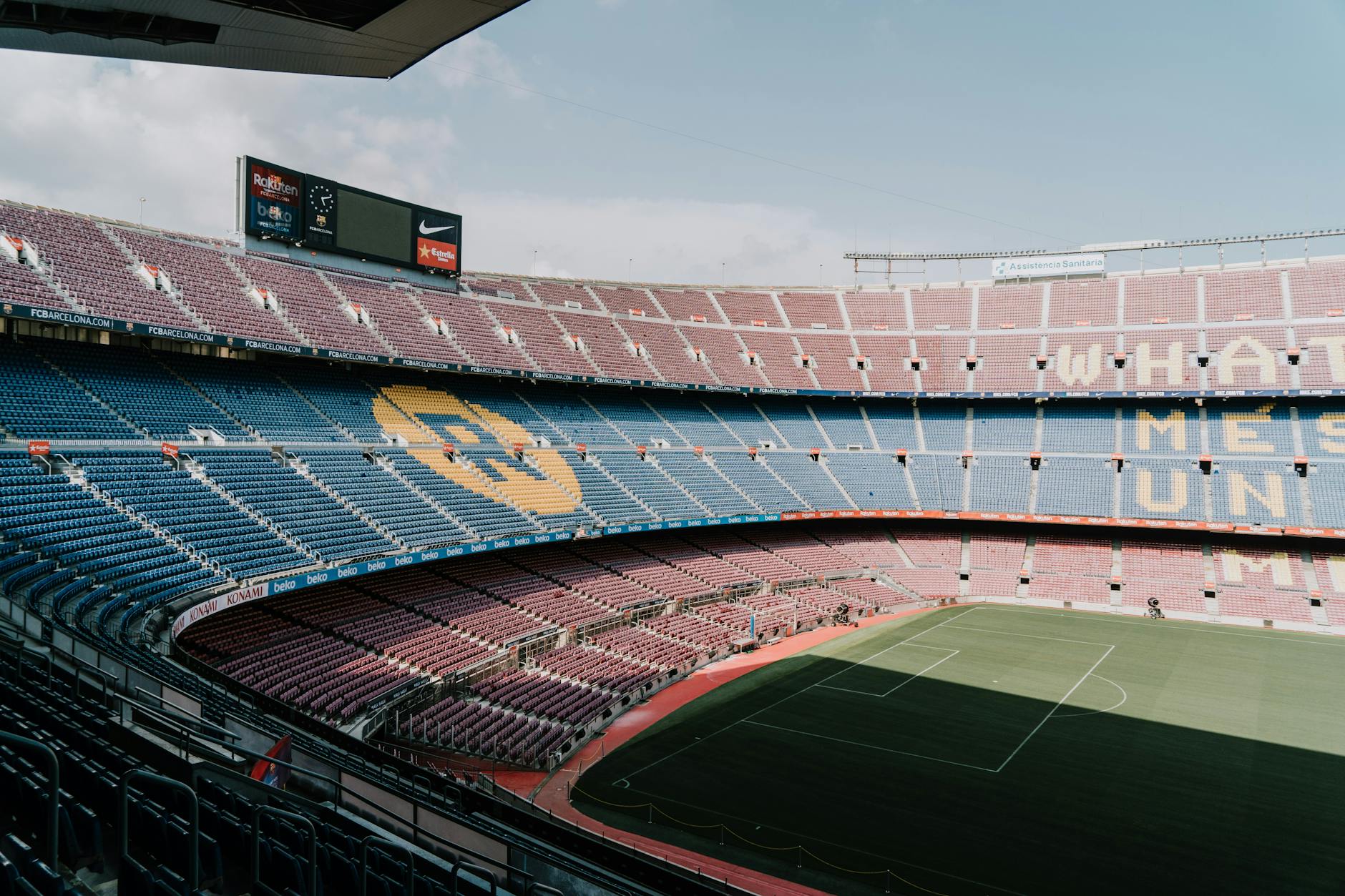
MANNHEIM, 06 February 2026 — Since its inception two decades ago, the SAP Arena has remained a cornerstone of Baden-Württemberg’s cultural and sporting landscape. As one of Europe’s most technologically advanced multifunctional venues, it continues to serve as the high-octane home for elite ice hockey and handball, while hosting the world’s most prominent musical acts.
A Legacy of Modern Engineering
The journey of the SAP Arena began on 9 December 2002, when the first stone was laid following a formal construction resolution earlier that year. Built at a cost of approximately €70 million, the facility was designed to replace the ageing Eisstadion am Friedrichspark. The arena officially opened its doors on 2 September 2005, instantly becoming the largest multipurpose venue in the region.
Spanning an impressive 44,200 m², the arena is a marvel of spatial efficiency with a gross volume of 403,000 m³. It was engineered not just for capacity, but for rapid transformation, allowing the floor to transition from an ice rink to a handball court or a concert stage within hours.
Key Facts and Figures
| Feature | Specification |
|---|---|
| Total Capacity | Up to 15,000 (Concerts) |
| Sporting Capacity | 13,600 (9,954 Seats) |
| Construction Cost | €70 Million |
| Opening Date | 2 September 2005 |
| Parking Spaces | Up to 9,500 |
The Home of Champions
The SAP Arena is synonymous with German sporting excellence. It serves as the permanent home for two of the nation’s most successful professional teams:
- Adler Mannheim: The multi-time champions of the Deutsche Eishockey Liga (DEL). The arena features three ice rinks in total; while the main bowl draws thousands, two secondary rinks accommodate 200 to 600 spectators for training and youth matches.
- Rhein-Neckar Löwen: A powerhouse in the Handball-Bundesliga, the “Lions” utilise the arena’s intimate yet electric atmosphere to maintain one of the highest average attendances in European handball.
A Global Stage for Entertainment
Beyond the roar of sports fans, the SAP Arena is a primary stop for international touring artists. With a flexible seating arrangement and world-class acoustics, it hosts over a hundred events annually. From heavy metal legends like Saxon, who recently brought their “Hell, Fire And Damnation” tour to the venue, to family-friendly spectacles such as Disney on Ice, the arena caters to a diverse demographic.
The venue is also a pioneer in “fan engagement technology.” Under partnerships led by industry experts, the arena serves as a testing ground for digital integration, ensuring that the “connected fan” experience—from mobile ticketing to in-seat services—remains at the cutting edge of the industry.
Facilities and Infrastructure
The arena is designed to handle massive logistical requirements. It features twelve dedicated changing rooms and extensive backstage areas to accommodate large-scale productions. For corporate clients, the SAP Arena offers premium VIP boxes and conference spaces, making it a preferred location for regional conventions and business summits.
Frequently Asked Questions
What is the best way to reach the SAP Arena?
The arena is well-connected via Mannheim’s public transport network (RNV), with dedicated tram stops serving the venue during event days. For those driving, there are up to 9,500 parking spaces available in the immediate vicinity.
How many people can the SAP Arena hold for concerts?
While the standard sporting capacity is 13,600, the arena can expand to accommodate up to 15,000 people for major concert events, depending on the stage configuration and standing room availability.
Are there public skating sessions at the arena?
Yes, the SAP Arena complex includes secondary ice rinks that are frequently used for public skating, amateur sports, and training sessions outside of the professional teams’ schedules.
When did the SAP Arena open?
The arena officially opened on 2 September 2005, following a three-year construction period that began in December 2002.