
Spring 2026: Understanding the Three Beginnings of the Season in Germany
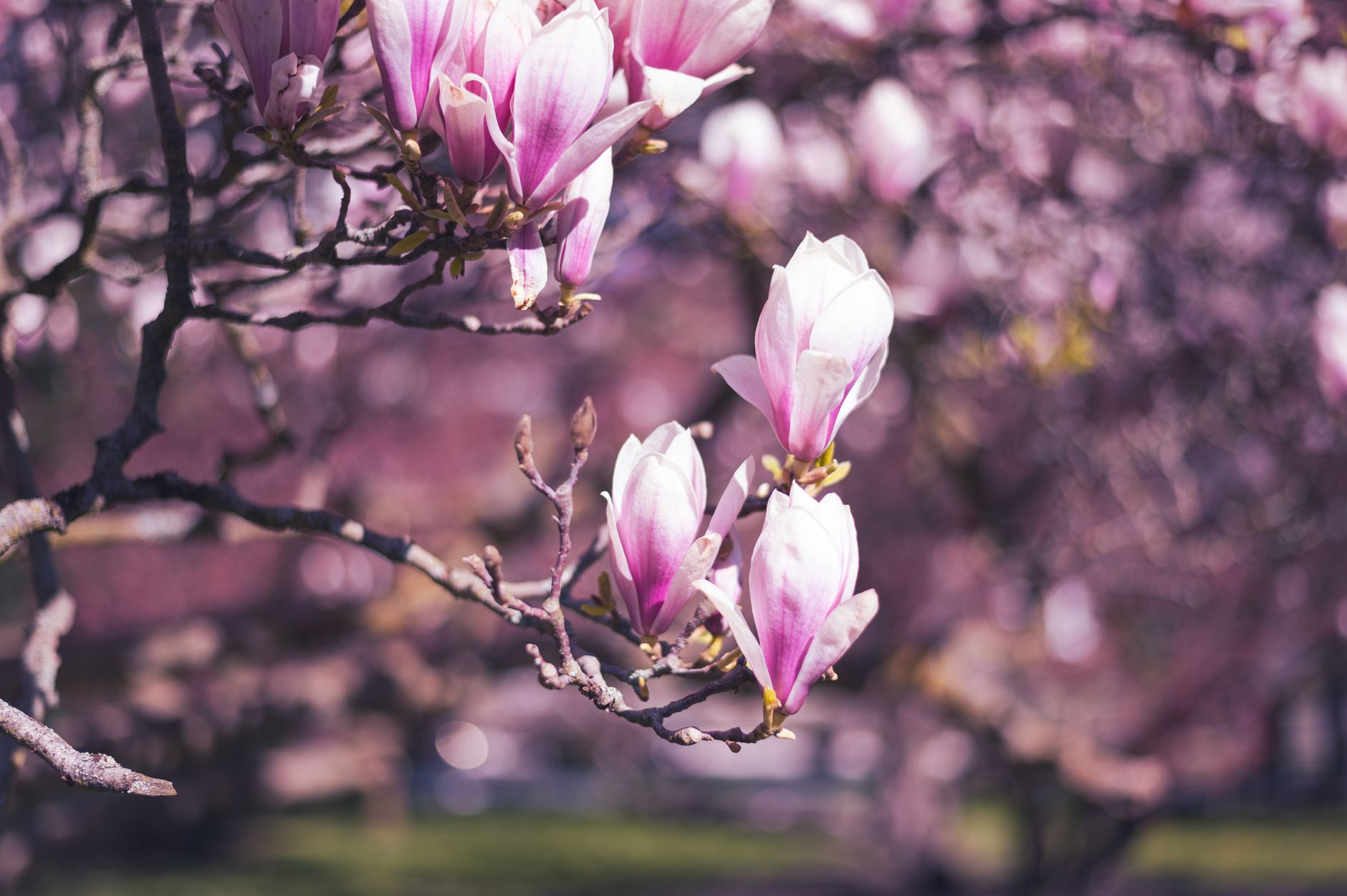
BERLIN, 01 March 2026 — As the calendar turns to March, Germany finds itself at a seasonal crossroads. While the morning frost still clings to the Bavarian valleys, record-breaking mild temperatures have swept across the country over the last 48 hours. Today marks the official start of the meteorological spring, a period defined by shifting weather patterns, psychological renewal, and the precise biological triggers of the phenological calendar.
The Three Definitions of Spring
In Germany, “Frühling” is not a single date but a transition defined by three distinct scientific perspectives: meteorological, astronomical, and phenological.
1. Meteorological Spring (Starts 01 March)
For climatologists and weather services like the DWD (Deutscher Wetterdienst), spring begins today, 01 March 2026. This fixed date allows for consistent statistical comparisons of weather data across decades. Current reports indicate a “fulminant start” to the season, with temperatures reaching up to 20 degrees Celsius in some regions last week, though experts warn of lingering ice hazards in mountainous areas like Bavaria.
2. Astronomical Spring (Equinox)
The astronomical beginning of spring is determined by the Earth’s orbit. It occurs when the sun stands vertically over the equator, making day and night approximately equal in length. In 2026, this equinox falls on 20 March. From this point forward, the Northern Hemisphere tilts further toward the sun, leading to longer days and shorter nights.
3. Phenological Spring (Nature’s Clock)
Unlike fixed dates, the phenological calendar relies on “indicator plants” (Leitphasen). This biological calendar divides spring into three sub-phases:
| Phase | Natural Indicators | Typical Timing |
|---|---|---|
| Early Spring (Vorfrühling) | Hazel (Hasel) blossom, Snowdrops | Late February – Mid-March |
| First Spring (Erstfrühling) | Forsythia blossom, Gooseberry leaf unfolding | Late March – April |
| Full Spring (Vollfrühling) | Apple blossom, Lilac (Flieder), Horse Chestnut | May |
Psychology and the “Spring Awakening”
The transition into spring is more than a change in temperature; it is a significant psychological event. Experts note that the increase in daylight triggers a “psychologically rich life,” encouraging curiosity and personal change. However, this period also brings “Spring Fatigue” (Frühjahrsmüdigkeit), as the human body adjusts its hormone levels—specifically serotonin and melatonin—to the changing light conditions.
Tips for the Seasonal Transition
- The “Onion Look”: With temperatures fluctuating between 10 and 20 degrees, German meteorologists recommend layering clothes to adapt to chilly mornings and warm afternoons.
- Social Renewal: Psychologists suggest using the “6-second rule” in new spring social interactions—making a strong impression in the first few seconds to foster new connections.
- Safety First: Despite the sun, authorities in Southern Germany have issued warnings regarding thinning ice on lakes and avalanche risks in the Alps due to rapid snowmelt.
Frequently Asked Questions (FAQ)
When does spring officially start in 2026?
Meteorologically, it starts on 01 March. Astronomically, the equinox occurs on 20 March 2026.
What is the “Vorfrühling”?
The “Vorfrühling” or pre-spring is the first phase of the phenological calendar, marked by the blooming of hazelnut bushes and snowdrops, typically occurring between late February and mid-March.
Why is it so warm in Germany right now?
A surge of mild air during the final days of February 2026 brought record-breaking temperatures to parts of Germany, though weather models suggest a mix of sun and fog may follow in early March.
What are the signs of “Full Spring”?
Full spring (Vollfrühling) is officially recognised when apple trees begin to bloom and the leaves of the oak and horse chestnut trees fully unfold.