
The Evolution and Strategic Might of Aircraft Carriers in 2026
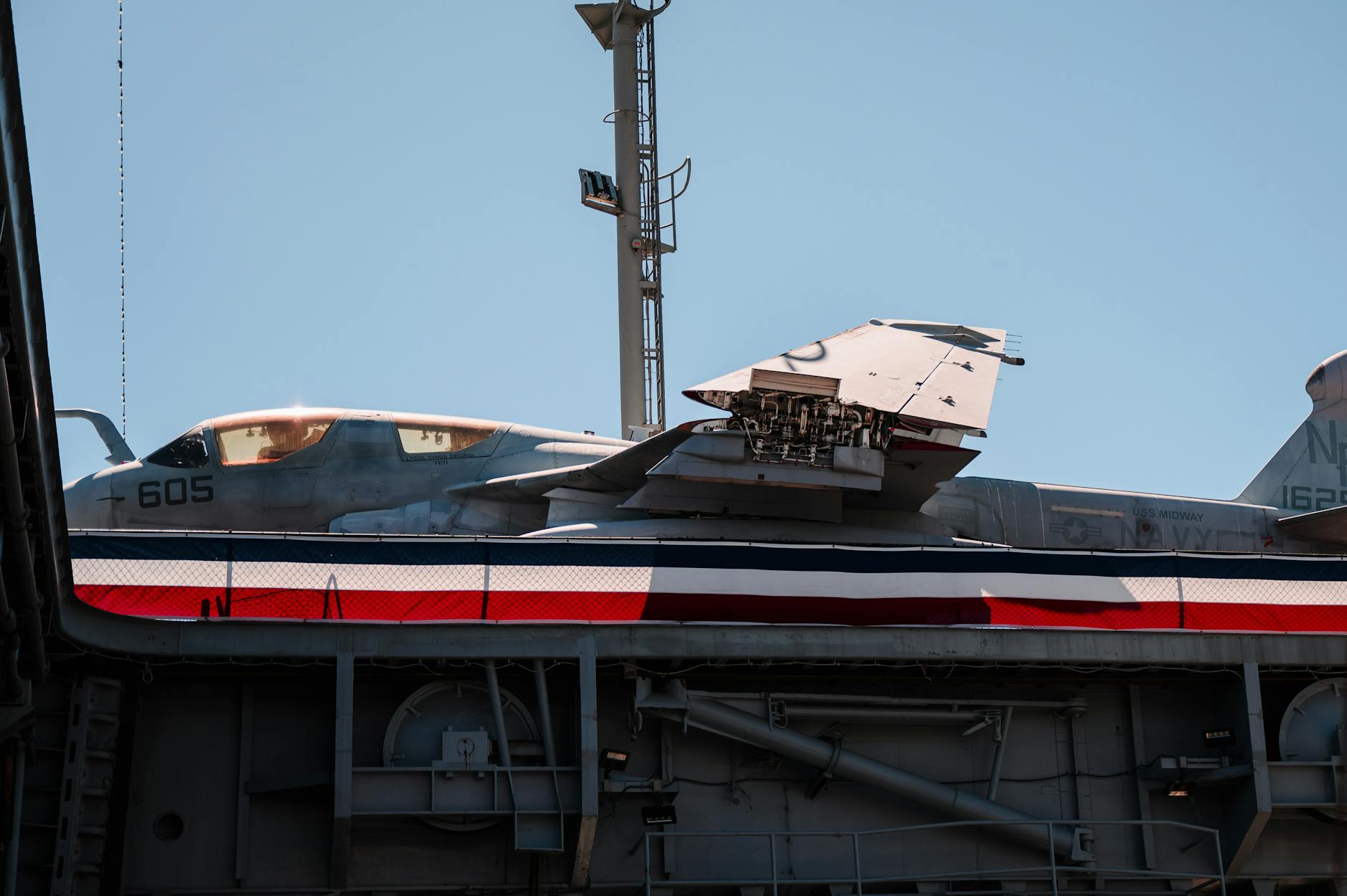
BERLIN, 01 March 2026 — As geopolitical tensions escalate across the Middle East and the North Atlantic, the aircraft carrier (Flugzeugträger) remains the ultimate symbol of maritime power projection. Often described as a floating airbase, these vessels serve as the cornerstone of modern naval strategy, allowing nations to exert influence far beyond their territorial waters. Today, as the USS Gerald R. Ford approaches a historic operational record amidst a standoff with Iran, the technical and strategic relevance of these “behemoths of the sea” has never been more scrutinized.
Current Operations: The USS Gerald R. Ford in the Spotlight
As of early March 2026, the eyes of the military world are fixed on the USS Gerald R. Ford (CVN 78). The vessel, which is the lead ship of its class and the largest aircraft carrier ever built, recently departed Souda Bay, Crete, and is currently positioned to bolster US presence in the Middle East. This deployment comes as negotiations in Geneva between Tehran and Washington face significant hurdles.
A Record-Breaking Deployment
The USS Gerald R. Ford has been on continuous duty since June 2025. Originally scheduled for a six-month deployment, the carrier is now on the verge of breaking a historical record, potentially reaching 294 days at sea. While this demonstrates the endurance of nuclear-powered vessels, reports from late February 2026 indicate that the prolonged mission is testing the limits of both the crew and the ship’s infrastructure.
Technical Challenges at Sea
Recent reports have highlighted the “high-tech” struggles aboard the supercarrier. Specifically, maintenance issues involving the ship’s 650 toilets have become a point of contention, with Iranian media reportedly using these technical setbacks as a basis for propaganda. Despite these domestic frustrations, the carrier remains fully operational, housing over 5,000 personnel and a full complement of advanced strike aircraft.
The Hierarchy of Naval Power: Major Carrier Classes
The global distribution of aircraft carriers remains highly concentrated. While several nations operate carriers or amphibious assault ships, the United States maintains the only fleet of “supercarriers.”
| Class / Ship | Country | Type / Status | Notable Features |
|---|---|---|---|
| Gerald R. Ford Class | USA | Nuclear Supercarrier | Electromagnetic Aircraft Launch System (EMALS) |
| Nimitz Class | USA | Nuclear Supercarrier | Standard of US naval power since 1975 |
| Charles de Gaulle | France | Nuclear Carrier | Only non-US nuclear-powered carrier |
| Queen Elizabeth Class | UK | STOVL Carrier | Twin-island design for flight control and navigation |
Strategic Shifts in 2026
The strategic landscape for aircraft carriers is shifting toward the North Atlantic and the Indo-Pacific. In the last week of February 2026, the United Kingdom reportedly dispatched a carrier to the North Atlantic, responding to increased maritime activity in the region. Simultaneously, the US has mobilised the USS Abraham Lincoln to the Arabian Sea to join the Gerald R. Ford in a dual-carrier strike group formation, a move intended to deter potential escalations from Iran.
The Role of Technology and History
The development of these vessels has come a long way since the Essex-class carriers dominated the Pacific during the Second World War (1943–1945). Modern carriers are no longer just platforms for planes; they are integrated command centres. However, the high cost of maintenance and the vulnerability to modern missile technology continue to spark debates among military analysts regarding the future of these massive investments.
Frequently Asked Questions (FAQ)
What is the largest aircraft carrier in the world?
The USS Gerald R. Ford (CVN 78) is currently the largest aircraft carrier in the world, featuring a displacement of approximately 100,000 tons and a length of 337 metres.
How long can a nuclear aircraft carrier stay at sea?
While the nuclear reactors can power the ship for over 20 years without refuelling, the ship is limited by food supplies and crew endurance. The current deployment of the USS Gerald R. Ford (over 270 days) is considered an extreme operational duration.
Which countries currently operate aircraft carriers?
As of 2026, the primary operators include the United States, the United Kingdom, France, China, India, and Italy. Other nations operate smaller helicopter carriers or amphibious assault ships with flight decks.
What is the “EMALS” system on new carriers?
The Electromagnetic Aircraft Launch System (EMALS) replaces traditional steam catapults. It allows for a smoother acceleration for aircraft, reducing wear and tear on the airframes and allowing for the launch of a wider variety of drones and planes.