
Volkswerft Stralsund: A New Era for the Historic Baltic Shipyard
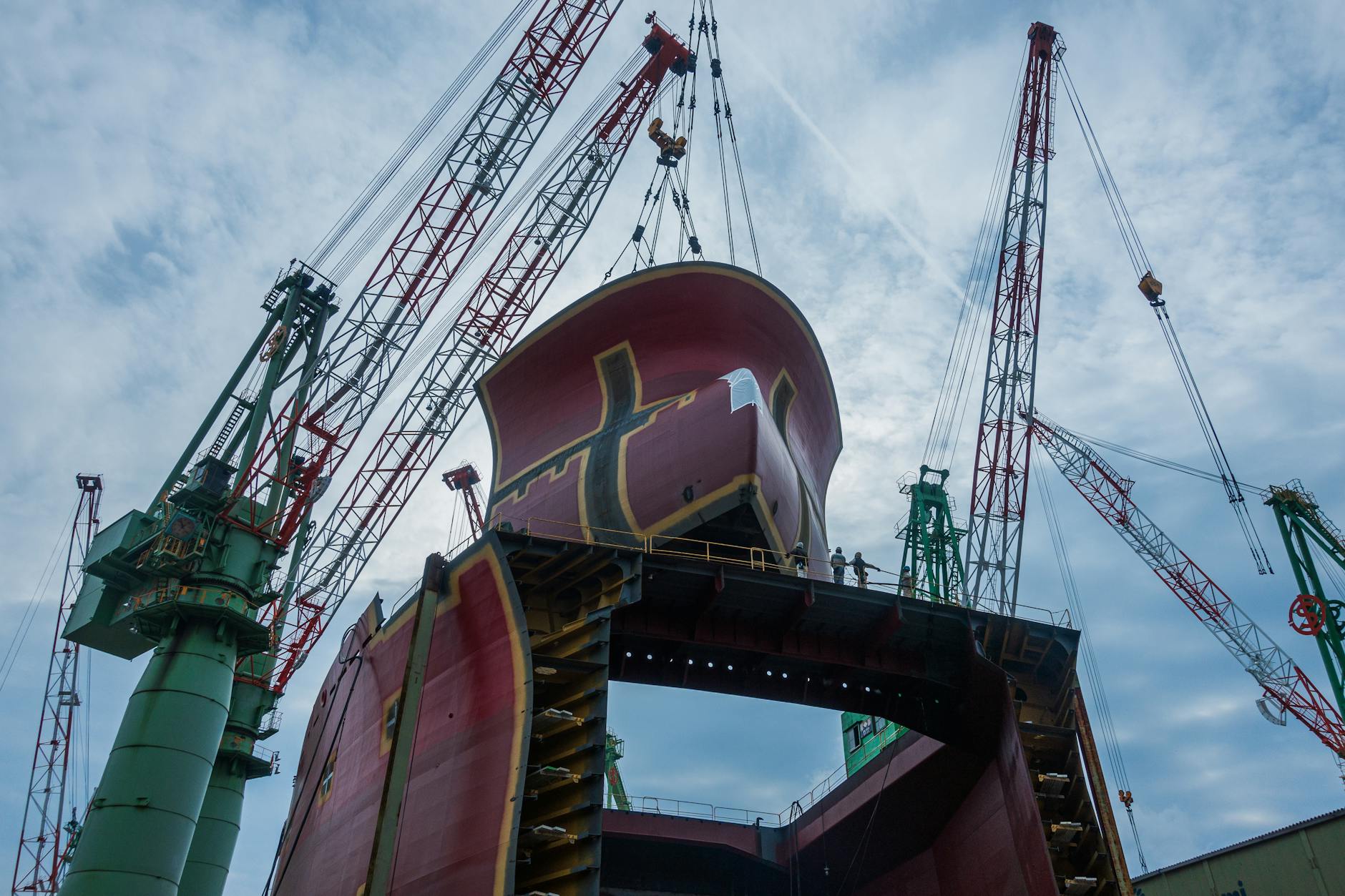
STRALSUND, 21 February 2026 — The maritime landscape of the Hanseatic city of Stralsund is undergoing a significant transformation. Once the backbone of the GDR’s fishing fleet and later a victim of the global shipbuilding crisis, the Volkswerft site is reinventing itself as a modern maritime industrial park. With new tenants moving in and environmental challenges being addressed, the “Sund” is buzzing with activity once again.
Fassmer Takes Over Hall 290
In a major development for the local economy, the Lower Saxony-based shipyard Fassmer has officially become the new tenant of the iconic Hall 290. As of 19 February 2026, the company has taken charge of the massive shipbuilding hall within the Stralsund Maritime Industrial Park. Fassmer plans to use the facility to construct a new research vessel, and the first wave of employees has already been hired to kickstart operations.
Lead Decontamination Underway
The revitalization of the site has not been without hurdles. Following the discovery of elevated lead levels among shipyard workers in late January, the City of Stralsund initiated a comprehensive cleaning operation of the main shipyard hall. This decontamination process began on 19 February 2026, ensuring that the facility meets modern safety standards for the incoming workforce.
A Legacy Forged in Steel: The History of Volkswerft
The Volkswerft Stralsund has been the heart of the city’s industry since its formal establishment in 1948. Its roots, however, reach back further to smaller operations like the Georg Schuldt shipyard (active from 1922) and the Kröger-Werft, founded in 1941 as a branch of the Rostock-based Kröger brothers’ business.
The Golden Era of Fishing Vessels
Between 1948 and 1957, the shipyard achieved a staggering output, delivering 520 fishing vessels. These included:
- Cutters: 17–26 metres in length.
- Loggers: 39-metre vessels, with the first official ship delivered in November 1949.
- Side Trawlers: 58-metre industrial fishing ships.
In addition to its civilian output, the yard produced mine-laying and mine-sweeping vessels for the military between 1952 and 1954, measuring nearly 60 metres in length.
A Carousel of Names
The shipyard’s identity has shifted frequently over the decades, reflecting the turbulent changes in the German maritime industry:
| Years | Company Name |
|---|---|
| 1948–2010 | Volkswerft Stralsund |
| 2010–2014 | P+S-Werften |
| 2015–2016 | Nordic Yards Stralsund |
| 2016–2022 | MV Werften |
| 2022–Present | Gewerbepark Volkswerft (Owned by the City of Stralsund) |
Current Operations and Local Impact
The shipyard remains a vital utility for the region. Just last week, the ferry Vitte returned to service for day tourists heading to Hiddensee after undergoing repairs at the Volkswerft following ice damage. This highlights the yard’s continued role in maintaining the Baltic’s essential transport infrastructure.
However, challenges remain. Mayor Alexander Badrow has faced questions regarding the pace of the industrial park’s success since the city purchased the site in 2022. While the arrival of Fassmer is seen as a “big win,” the city continues to manage environmental concerns and the integration of various maritime service providers into the “Gewerbepark” model.
Stralsund in Popular Culture
The shipyard and the city’s rugged maritime atmosphere continue to inspire the arts. Coinciding with today’s date, 21 February 2026, the ZDF crime series Stralsund premieres its latest episode, “Jetzt komm ich,” at 20:15, showcasing the city’s unique backdrop to a national audience.
Frequently Asked Questions (FAQ)
Who owns the Volkswerft Stralsund today?
Since 2022, the City of Stralsund has owned the shipyard site. It is currently operated as a maritime industrial park (Gewerbepark), leasing space to various companies such as Fassmer and Ostseestaal.
What happened to the lead contamination at the shipyard?
After high lead levels were detected in workers in January 2026, the city began a professional cleaning and decontamination of the affected shipyard halls on 19 February 2026.
Can I visit the Volkswerft?
While the Volkswerft is an active industrial site and generally closed to the public for safety reasons, the city occasionally hosts “Open Ship” days or maritime festivals where residents can view the historic facilities.
Is the shipyard still building large cruise ships?
Under the current “Gewerbepark” model, the focus has shifted away from the massive cruise ship projects of the MV Werften era toward specialised vessels, research ships, and maritime components.